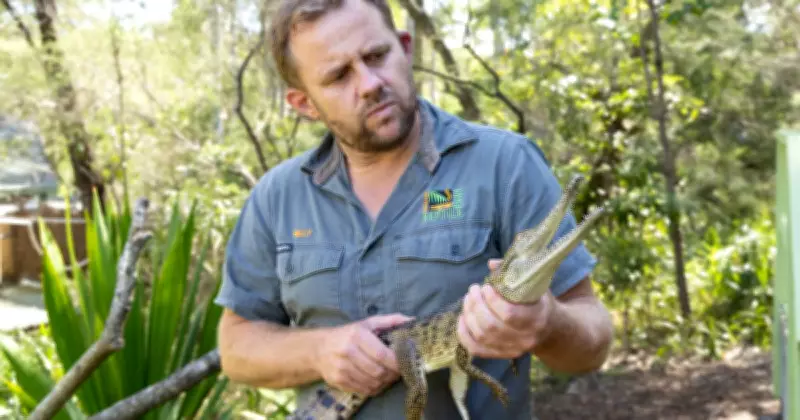
Wally the Crocodile's Future Home Secured After Wallsend Capture
In a significant development for local wildlife management, the future home of Wally the crocodile has been officially confirmed following his recent capture in Wallsend. This decision ensures both the safety of the community and the well-being of the reptile, marking a positive outcome after the initial sighting caused concern among residents.
Details of the Capture and Relocation Plan
The crocodile, affectionately named Wally by locals, was captured by wildlife authorities after being spotted in the Wallsend area, an unusual location for such a species. Experts quickly intervened to secure the animal, preventing any potential harm to the public or the crocodile itself. Following the capture, a thorough assessment was conducted to determine the most suitable long-term solution for Wally's care.
It has now been confirmed that Wally will be relocated to a dedicated wildlife sanctuary, where he will receive specialized attention and a safe habitat. This sanctuary is equipped to handle crocodiles, providing an environment that mimics their natural surroundings while ensuring they do not pose a risk to human populations. The move is part of broader efforts to balance conservation with public safety, highlighting the importance of responsible wildlife management.

Community Response and Conservation Implications
The capture and relocation of Wally have sparked discussions about wildlife conservation in urban areas. Many residents expressed relief at the safe resolution, praising the authorities for their swift action. This incident underscores the need for ongoing education and awareness regarding native species and their habitats, as human-wildlife interactions become more common due to environmental changes.
Wildlife experts emphasize that such events serve as a reminder of the delicate balance between urban development and natural ecosystems. By relocating Wally to a sanctuary, authorities are not only addressing immediate safety concerns but also contributing to conservation efforts. This approach aligns with best practices in wildlife management, ensuring that animals like Wally can thrive in controlled settings without endangering communities.
In summary, the confirmation of Wally's future home represents a successful collaboration between wildlife authorities and the community. It sets a precedent for handling similar situations in the future, promoting coexistence and conservation in an increasingly urbanized world.