WA Fuel Crisis: Hormuz Strait Tensions Set to Drive Fuel Prices to Historic Highs
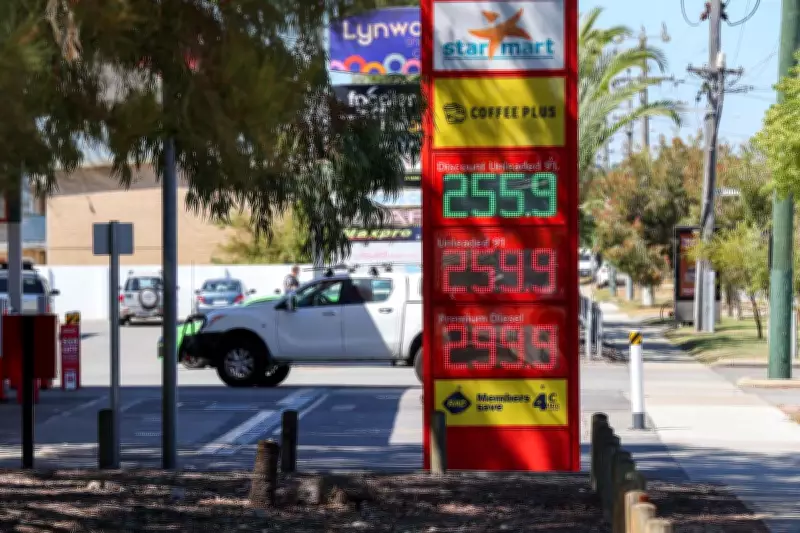
Western Australia is bracing for a severe fuel crisis as escalating tensions in the Hormuz Strait threaten to disrupt global oil supply chains, potentially pushing fuel prices to unprecedented historic records. This situation has sparked widespread concern among consumers, businesses, and policymakers across the state.
Geopolitical Tensions and Supply Chain Disruptions
The Hormuz Strait, a critical maritime chokepoint for oil shipments, is currently at the center of international tensions that could severely impact fuel availability in Western Australia. Any disruption in this region typically leads to immediate spikes in global oil prices, which directly translate to higher costs at the pump for Australian motorists.
Experts warn that the current geopolitical climate, combined with existing logistical challenges, creates a perfect storm for fuel shortages and price surges. This crisis is not just a temporary inconvenience but could have long-lasting effects on the state's economy and daily life.

Impact on Western Australian Consumers and Businesses
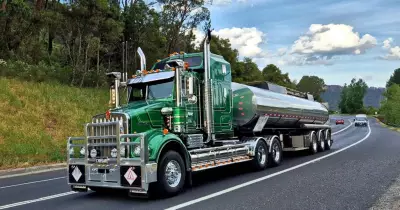
The potential rise in fuel prices is expected to hit Western Australian households and businesses hard. Increased transportation costs will likely lead to higher prices for goods and services, affecting everything from grocery bills to industrial operations. Small businesses, in particular, may struggle to absorb these additional expenses, potentially leading to job losses or reduced services.
Furthermore, the tourism and agriculture sectors, which are vital to WA's economy, could face significant setbacks due to increased operational costs. This fuel crisis threatens to undermine economic recovery efforts and strain household budgets across the region.
Government and Industry Responses
In response to the looming crisis, government officials and industry leaders are urgently exploring strategies to mitigate the impact. Options under consideration include increasing fuel reserves, diversifying supply sources, and implementing temporary relief measures for affected consumers and businesses.
However, analysts caution that these measures may only provide short-term relief. A more sustainable solution requires addressing the underlying vulnerabilities in Australia's fuel security and reducing dependence on volatile international markets.
Looking Ahead: Challenges and Solutions
As Western Australia navigates this fuel crisis, the focus is on both immediate actions and long-term planning. Key challenges include ensuring stable fuel supplies, managing price volatility, and supporting vulnerable communities. Potential solutions involve investing in alternative energy sources, enhancing domestic refining capacity, and strengthening international partnerships to secure more reliable fuel imports.
The coming weeks will be critical in determining how severely the Hormuz Strait tensions affect WA's fuel market. Stakeholders are urged to stay informed and prepare for possible disruptions, while authorities work to stabilize the situation and protect the state's economic interests.