Bibra Lake Innovator Secures Major Funding for Bee Propolis Research
A Bibra Lake-based business, Red Earth Pollen, has been awarded a substantial $3 million grant to explore the transformative potential of bee "glue" in health and therapeutic products. This funding, part of the Cooperative Research Centre projects program, aims to establish Australia's pioneering comprehensive propolis extraction and product development ecosystem.
Unlocking the Power of Propolis
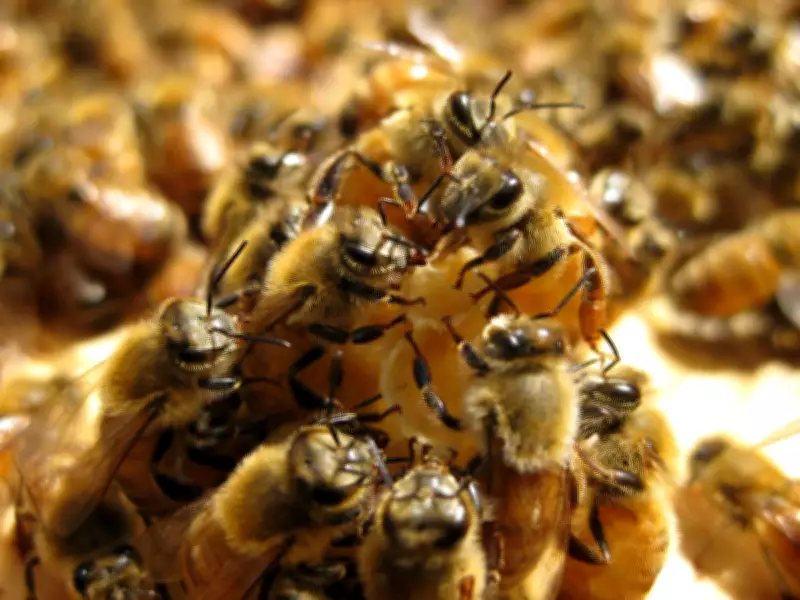
Propolis, the resinous substance bees use to seal and protect their hives against disease, is now at the forefront of bioactive ingredient research. Red Earth Pollen plans to convert this beehive byproduct into high-value extracts for pharmaceutical, chemical, and microbiological applications. Founder and CEO Dr. Mathew Welch emphasized the significance of this natural resource, stating, "Australian propolis comes from some of the most biodiverse forests on Earth, and we are only just beginning to understand its biological potential."
Dr. Welch highlighted that the project addresses a historical gap in Australian industry: "Australia has extraordinary biodiversity, but historically we have exported raw natural products rather than building industries around them. This project is about creating the science and manufacturing capability to turn Australian bee products into globally recognised health ingredients." The grant will enable collaboration with leading researchers and industry partners to develop necessary processing technologies.

Political and Economic Support
Fremantle MHR Josh Wilson expressed strong support for the initiative, noting its dual benefits. "I'm pleased to support Red Earth Pollen's leading-edge propolis project that strives to advance scientific understanding and broaden the income stream for Western Australian beekeepers by value-adding to a little-regarded honey byproduct," he said. This endorsement underscores the project's role in fostering an Australian-made future and enhancing local economic opportunities.
Broader Context and Opportunities
Red Earth Pollen is among 27 recipients sharing in $66 million through the latest CRC-P program round, which opened on March 18. The program encourages eligible partnerships to apply for up to $3 million, with a focus on projects involving artificial intelligence to develop or enhance AI systems and technologies. This aligns with broader efforts to innovate in natural product sectors, leveraging Australia's unique biodiversity for global health markets.
The initiative not only promises to advance scientific knowledge but also aims to create sustainable industries, turning overlooked byproducts into valuable commodities. As research progresses, it could pave the way for new health products derived from one of nature's most resilient substances.