The stunning coastline and world-class vineyards of Western Australia's South West have long been a magnet for tourists, but the region's roaring success is now fuelling a fierce debate. As visitor numbers swell, a classic clash is emerging between the undeniable economic benefits of tourism and the growing frustrations of locals over overcrowding, traffic congestion, and strained infrastructure.
The Double-Edged Sword of a Tourism Boom
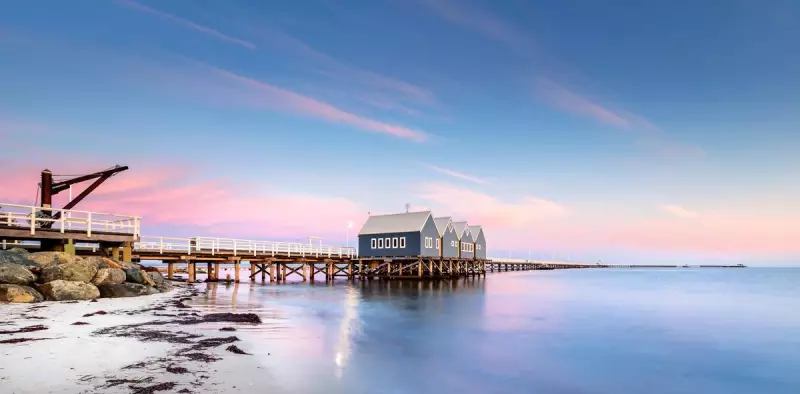
There's no denying the financial injection tourism provides to towns like Busselton, Dunsborough, and Margaret River. The article highlights the transformative impact of the Busselton Jetty redevelopment, a project that turned a crumbling structure into a major international attraction. This success story is echoed across the region, with tourism supporting local businesses, creating jobs, and sustaining communities.
However, this prosperity comes with significant growing pains. Long-time residents and newer 'sea-changers' who moved for a quieter lifestyle are increasingly vocal about the downsides. Peak holiday periods see roads clogged with cars, popular beaches become uncomfortably packed, and the peaceful ambiance that defines the region for many is under threat. The sentiment often labelled as 'NIMBY' (Not In My Backyard) is, from this perspective, a legitimate concern about quality of life and environmental carrying capacity.

Searching for Solutions in a Complex Landscape
The core dilemma, as explored in the source material, is that there is no simple, one-size-fits-all answer. Authorities are caught between encouraging a vital industry and managing its impacts. Potential solutions are fraught with complexity.
Building more accommodation to disperse visitors might seem logical, but it can lead to further development pressure and environmental concerns. Implementing a tourist tax or entry fee for certain areas is another floated idea, aimed at generating revenue for infrastructure while potentially moderating numbers. Yet, such measures risk alienating visitors and simply shifting problems to untaxed areas.
Improving public transport networks is a perennial suggestion, but making it effective in a geographically spread-out region with diverse attractions is a major logistical and financial challenge.
The Unavoidable Trade-Off: Prosperity vs. Peace?
The debate ultimately centres on a fundamental trade-off. The South West's economy is heavily bolstered by the dollars spent by interstate and international visitors. This economic activity funds local services and provides employment. On the other hand, unchecked growth threatens the very natural beauty and relaxed charm that attracts people in the first place—both tourists and residents alike.
The situation calls for a nuanced, long-term strategy that moves beyond simplistic blame. It requires collaboration between state and local governments, tourism operators, environmental groups, and community representatives. The goal must be to find a sustainable balance—a way to preserve the region's unique character while ensuring its communities continue to thrive economically. As the article concludes, ignoring the benefits of tourism is not the answer, but neither is ignoring the very real costs of overcrowding. The path forward demands difficult conversations and shared compromise.