Fuel Shortages Hit WA Regions as Panic Buying Concerns Escalate
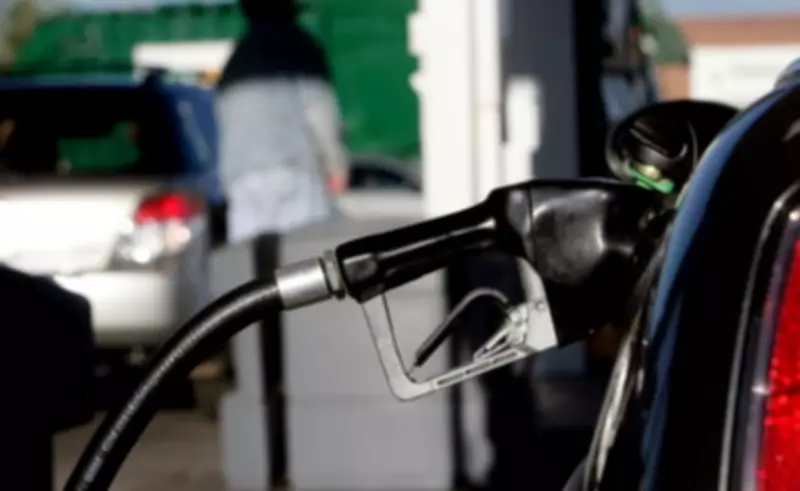
Fuel availability has been significantly reduced in several regional areas of Western Australia, including the town of Kulin, amid growing concerns over panic buying and supply chain disruptions. This development has sparked fears among local residents and businesses, who rely heavily on fuel for transportation and daily operations.
Impact on Regional Communities
The reduction in fuel supply is particularly affecting remote and rural communities, where access to essential services often depends on reliable fuel sources. In Kulin, located approximately 280 kilometers southeast of Perth, reports indicate that some service stations are experiencing limited stock or have imposed purchase restrictions to prevent hoarding. This situation is mirrored in other WA regions, exacerbating anxieties about long-term availability and potential economic fallout.
Local authorities and fuel retailers are urging calm, emphasizing that while there are temporary shortages, efforts are underway to replenish supplies. However, the panic buying trend, driven by fears of further disruptions, is complicating these efforts and leading to sporadic outages across the state.

Causes and Responses
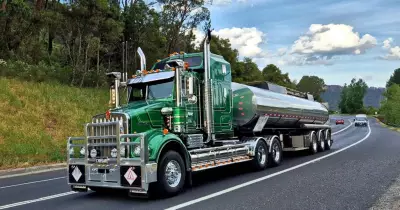
The fuel shortages are attributed to a combination of factors, including logistical challenges in supply chains and increased demand due to consumer anxiety. In response, the WA government and industry stakeholders are monitoring the situation closely, with some calling for coordinated action to stabilize fuel distribution. Experts warn that continued panic buying could worsen the shortages, creating a vicious cycle that impacts not only individuals but also critical sectors like agriculture and emergency services.
Residents in affected areas are advised to check with local fuel providers for updates and consider conserving fuel where possible. The broader implications of this issue highlight the vulnerability of regional infrastructure to supply shocks, prompting discussions about long-term solutions to enhance fuel security in WA.