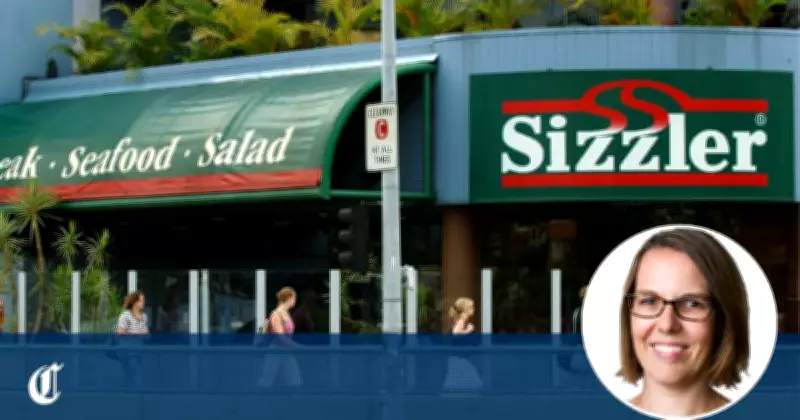
The nostalgic allure of Sizzler, with its iconic salad bar and endless plates of steak and pasta, once defined a golden age of all-you-can-eat dining in Australia. However, recent trends suggest that this style of consumption may be firmly relegated to the past, as shifting consumer preferences and economic realities reshape the nation's restaurant landscape.
The Rise and Fall of Buffet Culture
In the 1980s and 1990s, chains like Sizzler thrived by offering value-driven, unlimited meals that appealed to families and budget-conscious diners. The concept was simple: pay a fixed price and indulge in a vast array of dishes, from crispy bread rolls to decadent desserts. This model capitalized on a post-war economic boom and a growing appetite for casual, communal dining experiences.
Changing Consumer Habits
Today, Australian diners are increasingly favoring quality over quantity. The rise of foodie culture, driven by social media and culinary shows, has shifted focus toward artisanal, locally sourced ingredients and specialized cuisines. Consumers now seek unique dining experiences rather than bulk offerings, with many prioritizing health-conscious options and dietary restrictions, which buffet setups often struggle to accommodate.

Moreover, the convenience of food delivery apps and ready-made meals has reduced the appeal of dining out for sheer volume. As one industry analyst noted, "The dream of loading up a plate at Sizzler is being replaced by a desire for curated, Instagram-worthy meals that tell a story."
Economic Pressures and Sustainability Concerns
The buffet model faces significant economic challenges. High food waste is a major issue, with leftovers often discarded, leading to increased costs and environmental concerns. In an era of rising inflation and supply chain disruptions, maintaining low prices while offering unlimited food has become unsustainable for many restaurants.
Additionally, labor costs and rent increases have squeezed profit margins, forcing chains to adapt or close. The COVID-19 pandemic accelerated this decline, as buffet-style service was deemed risky due to hygiene protocols, pushing more establishments toward à la carte or pre-packaged options.
The Legacy of Sizzler and Its Peers
While Sizzler has largely disappeared from Australia, with only a few locations remaining, its legacy endures in the memories of those who grew up with its cheesy toast and endless soft-serve ice cream. The chain's decline mirrors broader trends in the hospitality sector, where nostalgia alone cannot sustain business models.
Other buffet-style restaurants have also scaled back or reinvented themselves, offering hybrid models like limited-time promotions or themed nights to attract customers. However, the heyday of unrestrained, all-you-can-eat dining seems to be over, marking a significant shift in how Australians approach food consumption.
Looking to the Future
As the industry evolves, experts predict a continued move toward experiential dining, with an emphasis on sustainability and personalization. Buffets may survive in niche markets, such as hotels or special events, but their dominance as a mainstream option is likely a relic of the past.
In conclusion, the dream of Sizzler-style feasting represents a bygone era in Australian dining. While it holds a cherished place in cultural memory, changing tastes and economic realities suggest that this kind of eating is firmly in the rearview mirror, paving the way for a more refined and conscious culinary future.