ACT Driver Takes AI Camera Speeding Fine to Court Over Accuracy Concerns
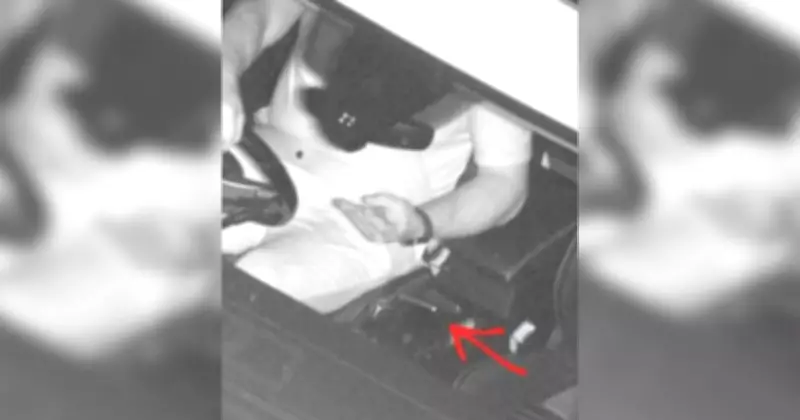
An Australian Capital Territory driver has launched a legal challenge against a speeding fine, alleging that the artificial intelligence camera system used to issue the penalty is inaccurate. The case, which is currently before the courts, has sparked debate about the reliability of automated enforcement technologies in traffic monitoring across the ACT and potentially nationwide.
Details of the Court Challenge
The driver, whose identity has not been disclosed publicly, received a speeding fine based on evidence from an AI-powered camera. In court, the defendant argued that the camera's technology may have errors in its detection and measurement processes, questioning the validity of the fine. This marks one of the first instances where an individual has directly contested the accuracy of such AI systems in a legal setting within the ACT.
Legal representatives for the driver have emphasized the need for transparency and verification in how these cameras operate. They claim that without proper oversight, there is a risk of wrongful penalties being issued, which could undermine public trust in traffic enforcement. The case is being closely watched by legal experts and technology analysts alike.

Implications for Traffic Enforcement
If successful, this challenge could set a precedent for how AI cameras are used in traffic enforcement across Australia. Authorities rely on these systems to monitor speed limits and improve road safety, but concerns about their accuracy have been raised in the past. This court case highlights the growing tension between technological advancement and legal accountability.
In response, ACT government officials have stated that the AI cameras undergo regular calibration and testing to ensure accuracy. However, critics argue that more independent audits and public reporting are necessary to address potential flaws. The outcome of this case may influence future policies on the deployment and regulation of similar technologies.
Broader Context and Public Reaction
The use of AI in law enforcement is not new, but its application in traffic cameras has become increasingly common. Proponents argue that it enhances efficiency and reduces human error, while opponents worry about privacy issues and technological reliability. This court challenge adds a new dimension to the debate, focusing on the legal ramifications of automated decisions.
- Increased scrutiny on AI camera calibration processes.
- Potential for more drivers to contest fines based on technology errors.
- Calls for improved transparency in how data is collected and used.
As the case progresses, it is expected to draw attention from policymakers, technology developers, and the general public. The decision could lead to reforms in how AI systems are integrated into public safety measures, ensuring they are both effective and fair.