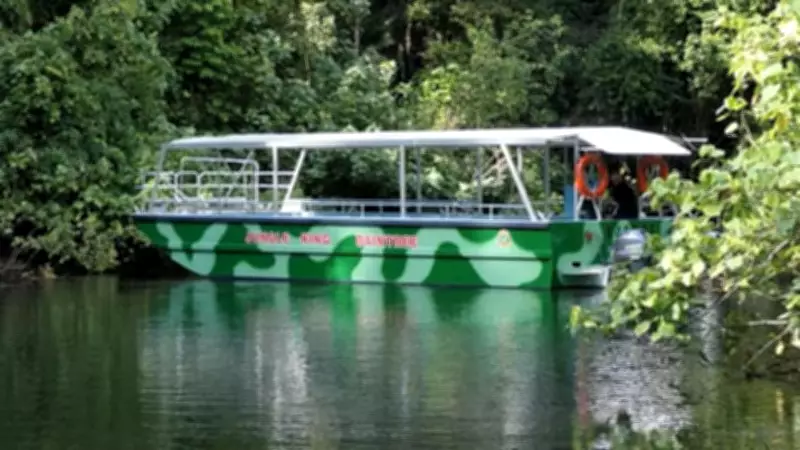
Jungle King Crocodile Found Upside Down 60km Out to Sea After Daintree Flash Flooding
A large crocodile, affectionately dubbed the "Jungle King" by locals, has been discovered in a bizarre and unusual state upside down 60 kilometres out to sea. This startling find occurred after intense flash flooding swept through the Daintree River region in Far North Queensland, highlighting the powerful and unpredictable forces of nature in this iconic Australian landscape.
Unusual Discovery in the Coral Sea
The crocodile was spotted by marine authorities and local fishermen in the Coral Sea, far from its typical freshwater habitat along the Daintree River. Experts believe the animal was carried out to sea by the swift and turbulent floodwaters that followed heavy rainfall in the area. The crocodile was found floating upside down, a position that is often indicative of distress or disorientation in reptiles, raising concerns about its health and survival.
This incident underscores the significant impact of extreme weather events on wildlife in the region. The Daintree River, known for its rich biodiversity and as a habitat for saltwater crocodiles, experienced rapid water level rises due to the flash flooding, disrupting the natural environment and forcing animals into unusual situations.

Response from Authorities and Conservationists
Local wildlife officials and conservation groups have been monitoring the situation closely. They emphasize that while crocodiles are strong swimmers, being swept out to sea poses serious risks, including exhaustion, dehydration, and exposure to saltwater, which can be harmful over extended periods. Efforts are underway to assess the crocodile's condition and determine if any intervention is necessary to ensure its safety.
Key points from the response include:
- Increased patrols in the area to monitor other wildlife affected by the flooding.
- Public warnings for residents and tourists to remain vigilant, as displaced crocodiles may appear in unexpected locations.
- Collaboration with marine rescue teams to track and, if needed, assist the crocodile in returning to a suitable habitat.
Broader Implications for the Daintree Ecosystem
The flash flooding on the Daintree River is part of a pattern of more frequent and severe weather events in Far North Queensland, linked to broader environmental changes. This incident serves as a reminder of the vulnerability of ecosystems and the need for ongoing conservation efforts. Protecting the Daintree's unique flora and fauna requires adaptive strategies to mitigate the effects of such natural disasters.
In conclusion, the discovery of the Jungle King crocodile upside down 60 kilometres out to sea is a dramatic example of how flash flooding can disrupt wildlife. It highlights the resilience of these ancient creatures while also pointing to the challenges they face in an ever-changing environment. Continued awareness and proactive measures are essential to safeguard the natural heritage of the Daintree region for future generations.