Coastal tourism operators across South Australia are facing one of their most challenging holiday seasons in recent memory, as a persistent and toxic algal bloom drives sun-seekers away from the state's famous beaches.
Beaches Empty as Confidence Plummets
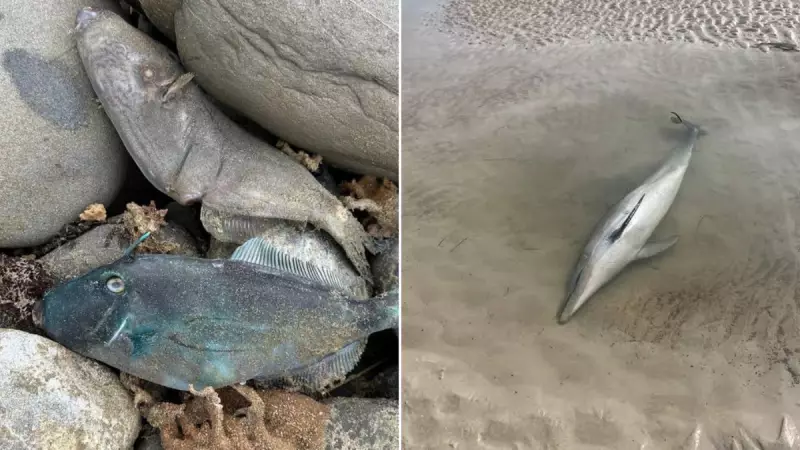
The environmental crisis, marked by thick sea foam, discoloured water, and thousands of dead fish washing ashore, has sparked significant public concern. This is despite new testing indicating that overall levels of the algae, Karenia, are beginning to fall. The lingering fear has left Adelaide's typically bustling metropolitan beaches, like Glenelg, noticeably quieter.
Local business owners report sharp declines in bookings and foot traffic. Glenelg resident Antia Pappas told 7NEWS.com.au that the quiet summer did not surprise her. "We've been repeatedly told that it doesn't affect humans, that it's not toxic, yet you ask anyone who has walked on a beach this summer and they'll tell you they've developed a dry cough," she said.

Authorities, including PIRSA, maintain that the algae does not produce toxins harmful to humans in the long term, but acknowledge exposure can cause temporary symptoms like coughing, skin irritation, and shortness of breath. However, these assurances have failed to restore public confidence.
River Murray Reaps the Benefits
The dramatic shift in holiday destinations has been a boon for inland operators, particularly along the River Murray. Tourism businesses there are experiencing one of their best seasons in years.
Luke Jennison, operations manager for SKYE Management, which oversees several holiday parks, said the contrast has been stark. He reported particularly strong visitor numbers at the BIG4 Holiday Park in Mannum, about an hour's drive east of Adelaide. "Strong visitor numbers highlight just how much people value the River Murray as a holiday destination," Jennison said.
He acknowledged the situation was tough for coastal areas but welcomed the surge for river communities. Many families, wary of the algae's effects, have explicitly chosen river holidays or regional escapes over coastal trips this summer.
A New and More Serious Threat
The bloom, first detected on the Fleurieu Peninsula in March 2025 and estimated to have stretched across 4500 square kilometres at its peak, has been linked to mass marine fatalities and health complaints. Research has identified a newly recognised toxic species, Karenia cristata, at the centre of the crisis.
This species thrives in cooler waters and produces neurotoxic brevetoxins that affect the nervous system. Co-author of new research, Professor Gustaaf Hallegraeff, described the find as a major shift. "It's much more serious ... it impacts the nervous system ... (it) is a neurotoxin," he said.
The unpublished research suggests K. cristata dominated the bloom and warns it poses "an emerging international threat" in changing ocean conditions. The total number of marine deaths linked to the bloom is expected to reach a staggering 103,000.
While recent monitoring by the South Australian Research and Development Institute (SARDI) shows cell counts are low and the bloom's footprint is shrinking, the damage to local ecosystems and tourism confidence is profound. The state government has launched a multi-million dollar voucher scheme to lure visitors back to coastal towns.
For residents like Antia Pappas, the visual impact alone is a deterrent. "No one wants to go to the beach to see it nothing more than a graveyard," she said, summarising a sentiment that may take far longer to disperse than the algae itself.