Parliamentary Motion Could Unmask Cheryl Grimmer Case Suspect Through Public Records
A controversial move in the New South Wales Parliament could potentially allow the public to discover the identity of the key suspect in the decades-old Cheryl Grimmer disappearance case through simple internet searches.
The Tragic Cold Case That Haunts the Illawarra
On January 12, 1970, three-year-old Cheryl Grimmer vanished from Fairy Meadow Beach in what remains one of Australia's most heartbreaking unsolved mysteries. The toddler was last seen at a shower block while her mother briefly turned away, sparking a massive search that yielded no trace of the young girl.
Just one year later, in 1971, police interviewed a teenage male who allegedly provided a detailed confession regarding Cheryl's abduction and murder. This confession would become central to the case for decades to come, yet legal complexities have kept the suspect's identity shielded from public view.

Legal Barriers and Parliamentary Intervention
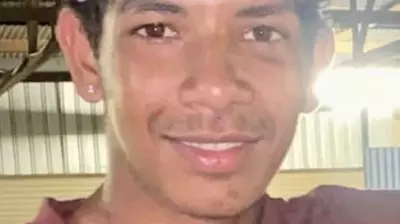
In 2017, following a comprehensive re-investigation, authorities finally charged a man with Cheryl's murder. However, the case spectacularly collapsed when the Supreme Court ruled the 1971 confession inadmissible as evidence. Due to a court suppression order, the accused could only be referred to by the code name Mercury in legal proceedings and media reports.
Now, NSW upper house member Jeremy Buckingham has taken extraordinary steps to bring transparency to the case. In October last year, Mr Buckingham delivered a notice of motion to parliament where he deliberately stated the man's real name and read the full text of the 1971 police interview confession.
"Because it is a live debate in parliament, it will go on to the Hansard," Mr Buckingham explained. "Once something's on Hansard, Google, the way those search engines work, it's very readily searchable. People will be able to find it because it's coming from a credible source."
The Family's Quest for Justice
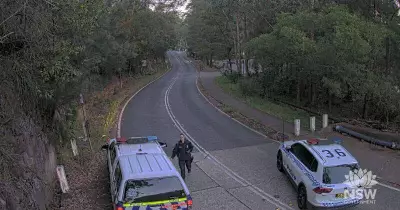
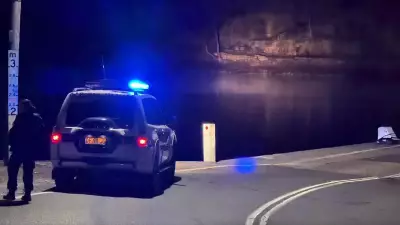
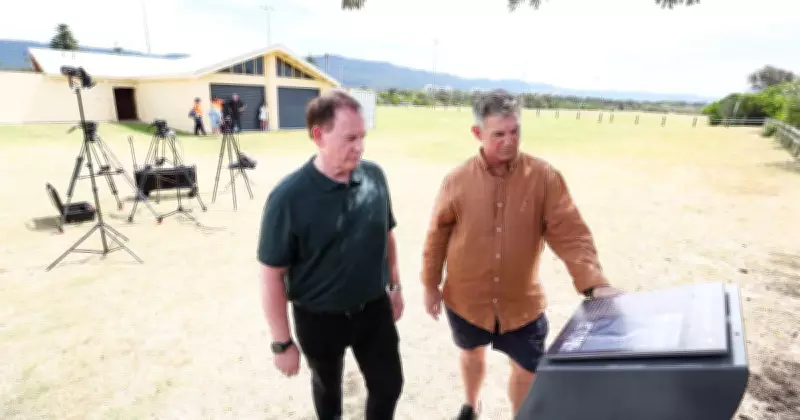
Cheryl's brother, Ricki Nash, has been a vocal advocate for continued investigation into his sister's disappearance. Last year, after police conducted fresh searches in an area believed to be where Cheryl's body was disposed of, Mr Nash publicly expressed his belief in the credibility of the 1971 confession.
"For a person could only give such detail ... he had to be here, had to have done what he said in his confession," Mr Nash stated during a memorial event at Fairy Meadow Beach.
The Grimmer family has formally requested that the NSW Director of Public Prosecutions reconsider laying charges against the suspect known as Mercury. In an open letter that Mr Buckingham intends to read in parliament, the family argues that child protection legislation should not shield an adult accused of killing a child decades after the alleged crime.
Media Dilemma and Public Access
Major media outlets including the Illawarra Mercury have consistently chosen not to publish the suspect's name due to ongoing legal advice and concerns about contempt of court. This creates a unique situation where parliamentary records could become the primary public source for this information.
Mr Buckingham's motion is scheduled for debate on February 11, requiring the government to provide an official response. If the motion proceeds as expected, the suspect's identity and the complete transcript of the 1971 police interview will become part of the official NSW Hansard parliamentary record.
"So it goes to the top of the list in terms of Google searches, and so people will be able to see for themselves," Mr Buckingham noted. "If news agencies continue to follow their legal advice and not publish the name, the public will be able to see, if they're interested, who Mercury is."
A Broader Conversation About Justice and Transparency
The Grimmer family's letter, which Mr Buckingham plans to present, praises the parliamentarian's actions as a stand for transparency and proper application of the law. "Cheryl deserves transparency. The community deserves transparency. Justice demands transparency," the letter concludes.

This development raises significant questions about the intersection of parliamentary privilege, legal suppression orders, and public access to information in historical criminal cases. As the debate approaches, legal experts are closely watching how this unprecedented situation will unfold and what implications it might have for similar cold cases across Australia.
The Cheryl Grimmer case continues to resonate deeply within the Illawarra community, where memorials at Fairy Meadow Beach serve as constant reminders of the young girl whose disappearance remains unresolved after more than five decades.