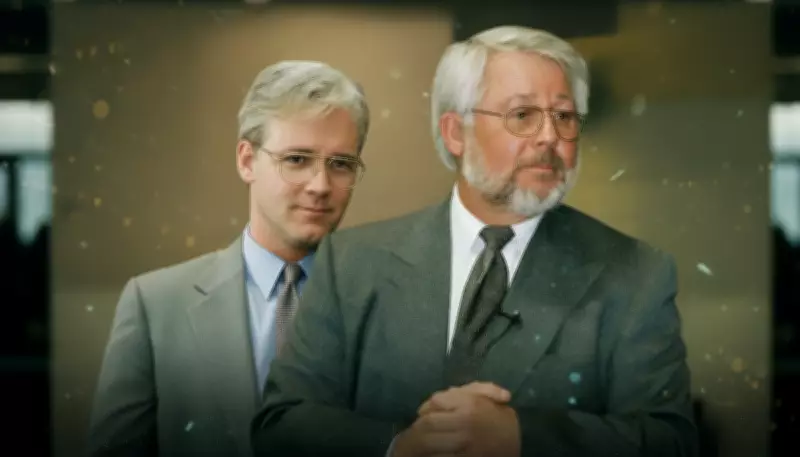
Jeffrey Wigand, the man who blew the whistle on Big Tobacco’s darkest secrets, is now turning his attention to a new frontier of harm: Big Tech. Wigand, now 83 and living in Michigan, a couple of hours from Detroit, presents a striking contrast to the storm he once stood in: softly spoken, gentle, and disarmingly warm. But his story is anything but calm.
The Tobacco Whistleblower
Wigand, a biochemist and former Vice President of Research and Development at Brown & Williamson, exposed how tobacco companies engineered cigarettes to be more addictive — particularly to young people — while concealing the devastating health risks. His testimony helped ignite one of the largest corporate scandals in modern history, eventually inspiring the film The Insider, in which he was portrayed by Russell Crowe.
Wigand revealed that tobacco companies were deliberately manipulating cigarette chemistry, enhancing nicotine delivery to maximise addiction, while publicly denying the harm their products caused. His allegations reached a global audience through American 60 Minutes and in courtrooms, where he testified that executives knowingly misled the public.

The personal cost was immense. Wigand faced lawsuits, intimidation, death threats, and the breakdown of his marriage. At one point, he carried a handgun to protect his family.
“The pressure? Intense,” he recalls. “You’re in a zone you’ve never been before — you have to adapt and survive. Becoming a truth-teller, a whistleblower, is not for the weak. You need a strong core and the belief that what you’re doing is right.”
Despite everything, he has no regrets. “Have I saved a life? Even one? Yes. And that makes it worth it — always.”
Turning to Big Tech
Today, Wigand is turning his attention to what he sees as a new frontier of harm: Big Tech. He argues that the addictive mechanics once embedded in cigarettes now exist in digital platforms.
“The screen is the delivery system,” he says, comparing it to nicotine. “They all trigger dopamine.”
He points to recent legal battles in California involving Meta Platforms and Google, where juries have examined whether tech companies knowingly designed addictive products — parallels, he says, to the tobacco trials that exposed damning internal documents decades ago.
He is openly critical of Meta CEO Mark Zuckerberg, arguing that company documents already reveal awareness of the addictive nature of their platforms.
“I have no love loss for Mark Zuckerberg,” he says. “I’ve always believed that the screens that they produce are captivating. They’re addictive. They’ve known it before I realised it, based on their own documents. Their own documents tell the story. They use the words addictive.”
Like tobacco before it, he believes the tech industry must be held accountable — and regulated. Wigand is calling for safeguards similar to cigarette warnings, arguing that unchecked profit incentives continue to outweigh public health.
New Research on Australia’s Social Media Ban
Wigand’s interview features in a new 7NEWS Spotlight documentary examining the addictive design of social media platforms and the impact of Australia’s social media ban. As part of the program, new research conducted by YouGov sheds light on how the law is affecting young Australians.
The survey, which polled 1,500 children aged 13 to 15 nationwide, is the most comprehensive study undertaken since the ban came into effect.
Watch ‘Viral on Trial - The Case Against Social Media’, Sunday 8pm on Channel 7 and 7plus.