Suspicious Canberra Club Fire Legacy Sparks Community Division Nine Years Later
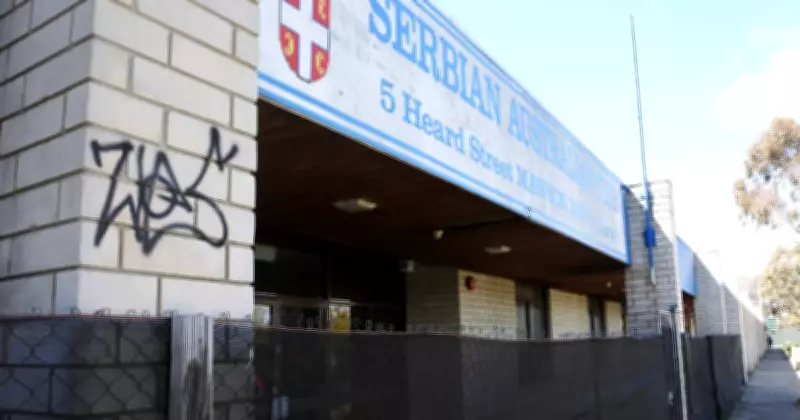
Nearly a decade has passed since the Serbian Club in Mawson, Canberra, was reduced to ashes in a blaze that authorities deemed suspicious. The fire, which erupted on the night of April 27, 2017, consumed a building that had stood derelict since 2010, frequently targeted by vandals and covered in graffiti.
In the aftermath, the land was sold for millions of dollars, but plans to redevelop it into a mixed-use complex featuring apartments, shops, and a cafe were ultimately rejected by the ACT government. The proposed development would have included two buildings of four and six storeys, housing 92 residential units, commercial spaces on the ground floor, basement parking, and extensive landscaping.
Financial Dispute Divides Serbian Community
Now, a heated conflict has emerged over the fate of the sale proceeds, creating a rift within the local Serbian community. On one side is the Serbian Council of the ACT, which controls the funds from the club's sale. On the other is the Serbian White Eagles Football Club, which is demanding transparency and engagement regarding the allocation of these resources.

The soccer club, which competes at the highest level of football in Canberra and runs expanding junior and women's programs, has expressed concern that it has not received funding for facilities. In a letter to the Serbian Council, the club emphasised its strong interest in the transparent governance and stewardship of community assets.
It specifically questioned the current status of the sale, details about the proceeds, and how the funds are intended to be allocated or invested. Leaders of the Serbian Council of the ACT declined to provide an on-the-record response when approached by The Canberra Times.
Growing Funds and Unresolved Investigation
According to sources familiar with the matter, the sale proceeds have grown from an initial $5 million to approximately $7 million through interest and potentially shrewd investments. There is no suggestion that council members were involved in the fire or any subsequent misconduct. It is possible the council is holding the funds in hopes of establishing a new Serbian club in the city, nine years after the previous one was destroyed.
Meanwhile, the national body representing Australians of Serbian descent has intervened, appealing to the public for information about the 2017 fire. The Serbian Council of Australia noted that despite the incident's significance to the Canberra Serbian community, no public outcome of the police investigation has been announced, and the fire remains unresolved.
ACT Policing has not provided an update on the investigation's current status. Initially, police urged anyone with information to contact Crime Stoppers, but the case appears to have stalled in the public domain.
Recent Developments and Community Engagement
Following inquiries by The Canberra Times, the Serbian White Eagles FC and the Serbian Council of ACT issued a joint email stating they are now engaging constructively and in good faith. They requested that all parties refrain from further public statements while discussions and relevant processes continue, aiming to maintain community confidence and integrity.
The planning application for the redevelopment was submitted by Canberra Town Planning, acting as intermediaries. The company indicated it would consult with the client but had not provided additional information at the time of writing. There is no suggestion of improper behaviour by the planning firm or the developers.
This ongoing saga highlights how a single destructive event can have lasting repercussions, fracturing communities and leaving unanswered questions that linger for years. The resolution of this dispute may hinge on the transparency and cooperation of all involved parties as they navigate the delicate balance between financial stewardship and community needs.