Australians are reporting widespread feelings of burnout, anxiety and emotional depletion as the first month of the year draws to a close. Despite the long summer break being intended to restore energy and optimism, many individuals have returned to work feeling significantly worse rather than refreshed.
A Month of Relentless Crises
From natural disasters to global political instability, a relentless series of events has dominated January, leaving countless people taking to social media to declare they are running on empty. One TikTok user expressed the collective sentiment, posting, "It feels like this month has been 20 years, and it's not even over. The news cycle is exhausting."
Another wrote, "So many issues, so much division and honestly, I don't even know what to do with it all. It's exhausting trying to keep up, let alone figure out how to make a difference. I want to care, I do care — but where do you even start when everything feels like a mess."

Psychological Strain from Local and Global Events
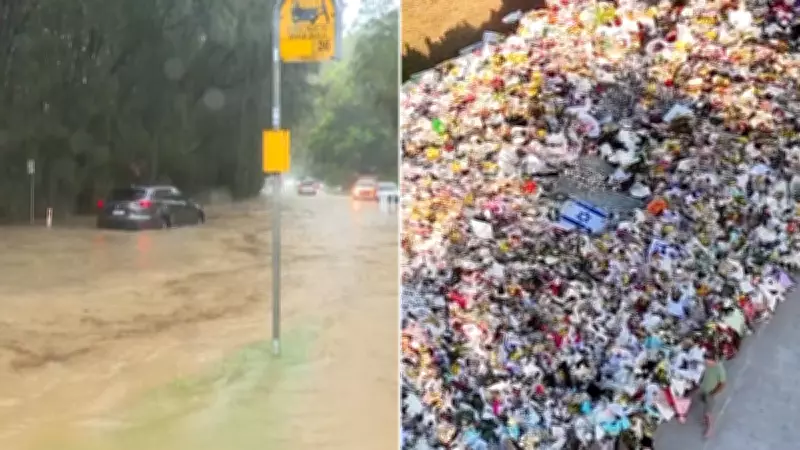
The emotional toll follows a January that has been anything but quiet. Australians have watched in horror as the fallout from the Bondi terror attack unfolded, followed by widespread bushfires, devastating floods, a major cyclone system, political division both domestically and in the United States, and escalating chaos across the globe.
For many, the sense of threat has felt constant and closer to home than ever before. Dr Zena Burgess, CEO of the Australian Psychological Society, explained that this collective exhaustion is far from surprising. "I think there was this expectation that we'd go into the holiday period exhausted, but that we'd feel great in the new year," she said.
"We had that expectation, but then the holidays have been filled with community violence, natural disasters, murders, really horrible things happening in our community. I think so much of Australia feels quite a lot of stress and worry for people."
When Stress Becomes Overwhelming
Dr Burgess noted that unlike international crises that may feel distant, many of the events dominating headlines have been occurring locally, intensifying the psychological impact. "There's psychological strain, because it's not like it's happening in a far-away land, it's happening right on their doorsteps, so they feel very much a part of it," she said.
These events are further compounded when they pile on top of one another. Psychologists warn that the human brain is not designed to process continuous crises without adequate time to rest. Dr Burgess elaborated, "I think it starts to lead to an overwhelming sense of anxiety or worry about everything, and you can't think as you normally would. It becomes hard to make good decisions, hard to evaluate things as usual, because it all seems overwhelming."
Emotional Exhaustion as the New Norm
Dr Burgess stated that the emotional fatigue many Australians are experiencing is no longer an isolated phenomenon but is becoming the default state for numerous individuals. "I think there is so much distressing content, and so many distressing events piling on, that emotional exhaustion is where we are," she said. "I think people are generally feeling uncomfortable and a bit unsafe at the moment."
She also cautioned that misinformation and unverified content can significantly intensify fear. "It's really important to know that not all information on Facebook or other sources is real, so people should be using trusted sources," she advised.
The Pressure of New Year Expectations
The emotional strain is being exacerbated by cultural expectations that January should feel hopeful and productive. Dr Burgess highlighted how the concept of New Year's resolutions can clash with reality. "A lot of people have hope and an assumption that they can completely change or renovate their lives within a few short weeks or days," she explained.
That pressure, she noted, can worsen burnout rather than alleviate it, proving counterproductive. "Certainly, every new year or every period is an opportunity to make some changes, but they need to be planned changes. I always say, don't try to do everything at once."

Steps to Protect Mental Health
While the national mood may feel heavy, psychologists emphasise that there are actionable steps people can take to safeguard their mental wellbeing. Dr Burgess recommended:
- Limiting exposure to traumatic content on social media
- Prioritising sufficient and quality sleep
- Maintaining a balanced and nutritious diet
- Incorporating exercise where possible
- Avoiding excessive alcohol consumption
However, she stressed the importance of recognising when professional support is necessary. "For those who feel numb or empty, or are experiencing very strong distress, intense agitation, or nightmares, I'd say don't let things get worse and worse until you're unable to function. Seek help early."
Moving Forward with Compassion
As Australians transition into February, experts affirm that it is perfectly acceptable to acknowledge that the year has commenced on a challenging note. There is no shame in admitting this reality, taking deliberate time away from national and world events to reset, and seeking assistance if required.
If you or someone you know needs help in a crisis, support is available through Lifeline on 13 11 14. For further information about depression, contact beyondblue on 1300 224 636 or consult your GP, a local health professional, or a trusted individual.