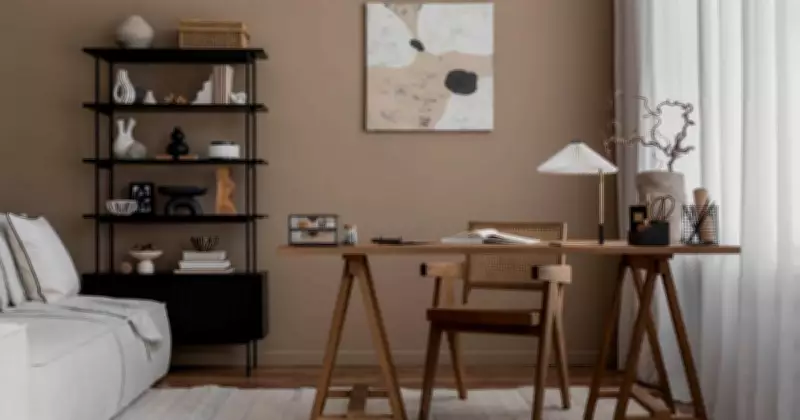
In an era where remote work has become commonplace, the design of home offices has evolved beyond mere functionality. Interior stylist Cayley Scrooby of Sovereign Interiors has partnered with art therapist and creative wellness expert, Dr Eleni Nicolaou, to explore how intentional design can transform a home workstation into a powerhouse of productivity and inspiration.
The Psychology of Workspace Design
Dr Eleni Nicolaou emphasises that home offices are not just practical spaces but emotional environments that significantly impact mental wellbeing. "Home offices aren't just functional, they're emotional spaces," Dr Nicolaou explains. "A thoughtfully designed workspace reduces mental clutter and invites deeper focus. The more visually calm the space, the easier it is to stay centred."
According to Dr Nicolaou, seemingly minor elements can profoundly influence performance and mindset. "Comfortable seating, organised storage and pieces that reflect your taste all work together to keep the mind clear and engaged," she notes. "Small factors such as lighting, textures and personal touches create an environment where productivity can flourish."

Creating a Statement Workspace
Cayley Scrooby translates these psychological insights into practical design strategies that balance aesthetics with functionality. "A bespoke desk, a striking artwork or a sculptural accessory immediately gives the room character and identity," Cayley suggests. "It's not just about decoration, these pieces create pride and connection with your space, making you more likely to enjoy working there."
Key Design Elements for Productivity
Statement Furniture
Consider investing in furniture that makes a visual impact while serving practical purposes. "A desk with unique detailing or a bold chair that contrasts subtly with your walls can anchor the entire workspace," Cayley advises. "These elements establish the room's personality from the moment you enter."
Layered Lighting Solutions
Proper illumination is essential for both mood regulation and visual comfort during long working hours. "Layer your lighting by combining overhead fixtures with task lighting from a desk lamp and ambient light from a floor lamp," Cayley recommends. "This approach reduces eye strain while creating visual balance throughout the space. A warm-toned desk lamp can create a particularly cosy, focused corner for intensive work sessions."
Thoughtful Spatial Layout
The arrangement of furniture and storage significantly impacts daily workflow. "Organised storage and thoughtful placement of furniture are key to a visually calm office," Cayley explains. "Allowing breathing space around your desk and keeping frequently used items within easy reach reduces stress and supports sustained focus throughout the day."
Textural Elements for Grounding
Incorporating varied textures provides subtle sensory cues that enhance concentration. "Soft rugs underfoot, linen or leather chair cushions and a wooden desk surface provide subtle grounding cues that keep you centred," Cayley observes. "Mixing materials - perhaps a metal lamp with a timber desk - adds depth and sophistication while keeping the space inspiring and dynamic."
Personalising Your Productive Space
The final touch in creating an effective home office involves personalisation that reflects individual identity. "Finally, make it yours," Cayley encourages. "A small plant, a framed photo or a personal memento can subtly enhance mood without overwhelming the space. These touches create a sense of ownership, making your workspace feel purposeful and motivating."
This collaboration between design expertise and psychological insight demonstrates how strategic home office planning can elevate both work output and personal satisfaction. By considering these elements, remote workers can create environments that not only facilitate productivity but also nurture creativity and wellbeing throughout the workday.