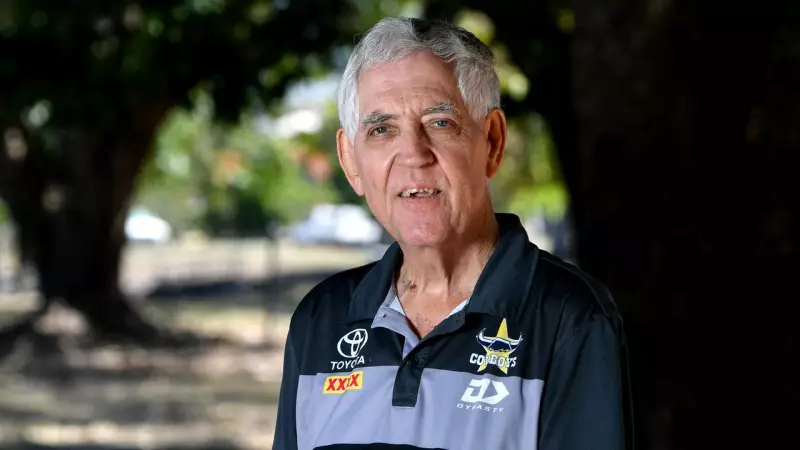
A Townsville father facing a terminal brain cancer diagnosis is clinging to hope and time with his family, despite a crushing disappointment from a promising clinical trial.
A Devastating Diagnosis and a Glimmer of Hope
In late 2022, Peter Larter, a 53-year-old electrician and devoted father, received the devastating news that he had glioblastoma, an aggressive and incurable form of brain cancer. After undergoing surgery and the standard treatment of radiation and chemotherapy, Peter and his wife, Kylie, sought out new options. They pinned their hopes on a groundbreaking clinical trial in Brisbane, known as the DCVax-L trial, which uses a patient's own immune cells to target the tumour.
The family made immense sacrifices, relocating to Brisbane for months at a time so Peter could participate. The trial became their beacon of hope, a potential key to more precious time together.

The Trial's Outcome and a Family's Resilience
Recently, the final results of that international trial were published, delivering a bitter blow. While the treatment showed some extension in survival for a subset of patients, it was not the miracle cure many, including the Larters, had desperately hoped for. For Peter, the cancer has continued to progress.
Despite this setback, Peter's spirit remains remarkably resilient. "I'll take what time I'm given," he stated, reflecting a profound focus on the present. His primary goal is to create lasting memories with his wife and their two young sons, aged 10 and 12. The family is planning a final holiday to Fiji, a testament to their determination to seize every moment.
The Ongoing Battle and the Search for Solutions
Peter's story underscores the brutal reality of glioblastoma and the urgent need for more effective treatments. He is now exploring other options, including potentially accessing another drug, ONC201, through a special access scheme, though its availability in Australia is uncertain and costly.
His journey highlights the emotional and financial toll on families battling terminal illness. It also shines a light on the critical importance of clinical research, even when outcomes are not immediately curative. Every trial contributes data that may eventually lead to a breakthrough.
For now, Peter Larter's fight continues. His courage in the face of immense adversity serves as a powerful reminder of the human capacity for hope and the enduring importance of family, love, and making every single day count.