A Canberra woman's attempt to sell a dress online turned into an unsettling lesson in digital harassment, after her Facebook Marketplace listing attracted a flood of unwanted advances and inappropriate messages from men.
An Inbox Flooded with Unwanted Advances
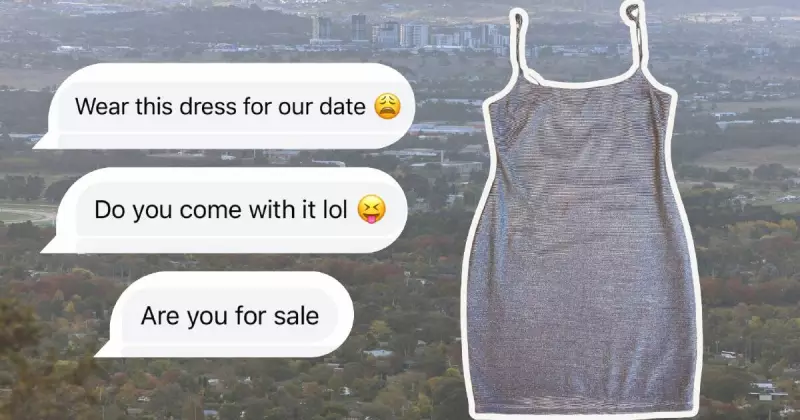
Lucy Arundell, a city reporter for The Canberra Times, listed a silver mini dress for sale on Facebook Marketplace just before the new year. The advertisement included photos of the dress being worn, taken as a mirror selfie. Within hours of posting the ad on December 27, 2025, her inbox was inundated with messages that had nothing to do with the sale.
Instead of inquiries about price or pickup, men sent a series of suggestive and intrusive comments. One user asked, "Are you for sale," while another messaged, "Do you come with it lol." Other messages included invitations to wear the dress on a date and questions about whether her phone number was included with the garment.

The response was overwhelming. The dress listing amassed more than 6500 views in less than 24 hours, a stark contrast to other items she had listed, which only received about two dozen views. She also received a dozen friend requests from men with no mutual connections, and even her separate Instagram account received follow requests from random male profiles.
The Men Behind the Messages
An examination of the profiles revealed the men were not hiding behind fake accounts. Most appeared to be legitimate Facebook users with hundreds of friends and photos showing their faces. Their locations spanned Canberra, Cooma, and Sydney. Notably, one identified himself as working in media at Parliament House.
This pattern of behaviour raises serious questions about safety on peer-to-peer selling platforms. Hannah Robertson, a PhD candidate at the Australian National University, analysed the situation, stating this harassment demonstrates how violence against women has permeated every corner of the digital world.
"You're not doing anything wrong, you are just there. In cyberspace there is an extent to which people feel entitled to access you and speak to you in a way that would essentially mirror catcalling on a street," Ms Robertson explained.
A Systemic Failure in Digital Safety
Robertson pointed to the "online disinhibition effect" facilitated by social media, where anonymity and distance encourage people to act more aggressively than they would in person. She argued that a core issue is that social media platforms are not designed with user safety as a primary concern.
"Tech is not neutral. Tech is imbued with the values and the beliefs and the morals of the people that created it," she said, criticising companies like Meta for dragging their feet on implementing robust safety measures and moderator systems.
In response to the harassment, Arundell reported each of the men to Facebook, but had not received any response at the time of reporting. Her immediate action was to delete the intrusive messages, a common but inadequate recourse for victims of online harassment.
This incident serves as a stark reminder of the risks associated with buying and selling on digital platforms, particularly for women. It underscores the urgent need for tech companies to prioritise user safety and develop effective systems to prevent and address harassment, transforming these spaces from digital wild west frontiers into secure marketplaces for all.