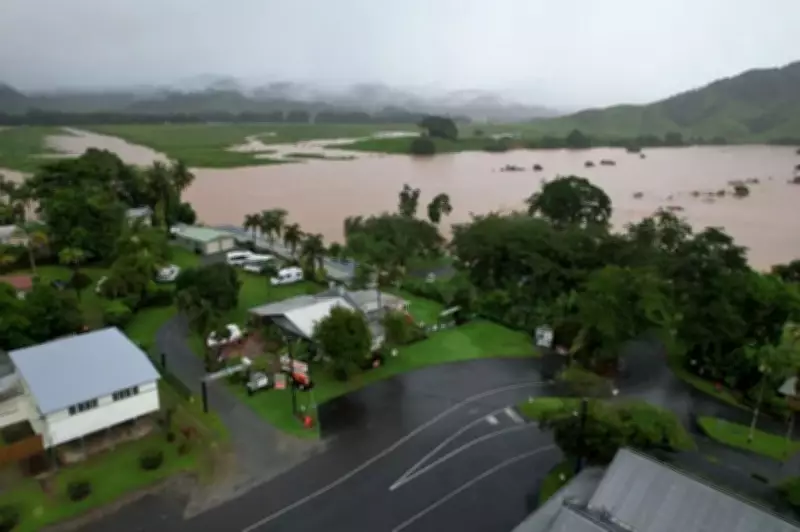
Coral Sea Cyclone Intensifies, Threatens Queensland Coast
A powerful tropical cyclone is currently intensifying in the Coral Sea, with meteorological experts warning it could pose a significant threat to the Queensland coastline in the coming days. The system, which has been closely monitored by the Bureau of Meteorology, is expected to strengthen as it moves westward, potentially bringing destructive winds, heavy rainfall, and dangerous storm surges to coastal communities.
Emergency Preparations Underway
Authorities in Queensland have initiated emergency response plans, urging residents in vulnerable areas to prepare for possible evacuation orders. The State Emergency Service has been placed on high alert, with teams ready to deploy resources and assist communities if the cyclone makes landfall. Residents are advised to secure loose items, stock up on essential supplies, and stay informed through official weather updates.
Forecasters predict that the cyclone could reach Category 3 or higher on the Australian scale, with sustained winds exceeding 120 kilometers per hour. This level of intensity is capable of causing widespread damage to infrastructure, including power outages, road closures, and property destruction. The timing of the cyclone's approach coincides with high tides, which could exacerbate flooding risks in low-lying coastal regions.

Historical Context and Climate Implications
This event follows a pattern of increased cyclone activity in the Coral Sea region, which scientists attribute to rising sea surface temperatures linked to climate change. In recent years, similar cyclones have caused billions of dollars in damage and displaced thousands of residents across Queensland. The current system is being compared to past events, such as Cyclone Yasi in 2011, which devastated parts of the state and highlighted the need for robust disaster preparedness.
Experts emphasize that while cyclones are a natural part of Australia's weather cycle, their frequency and intensity may be influenced by global warming. This has led to calls for enhanced investment in climate resilience measures, including improved early warning systems and infrastructure upgrades to better withstand extreme weather events.
Community Response and Safety Measures
Local communities are taking proactive steps to mitigate the potential impacts of the cyclone. Schools and businesses in at-risk areas have begun contingency planning, with some considering temporary closures if conditions worsen. Emergency shelters are being prepared, and public advisories are being disseminated through social media, radio broadcasts, and community networks.
- Residents should monitor official Bureau of Meteorology alerts for real-time updates.
- Prepare emergency kits with food, water, medications, and important documents.
- Secure homes by boarding up windows and clearing gutters to prevent water damage.
- Have an evacuation plan in place, including routes and meeting points for family members.
As the situation evolves, authorities will continue to provide guidance based on the latest forecasts. The public is urged to remain vigilant and follow safety instructions to minimize risks during this severe weather event.