University of Newcastle Faces Scrutiny in State-Wide Inquiry
The University of Newcastle has come under the microscope as part of a comprehensive state-wide inquiry examining the operations of higher education institutions. The inquiry, launched by the New South Wales government, is investigating governance structures, financial management practices, and academic standards across universities in the region.
Representatives from the University of Newcastle appeared before the inquiry panel this week, facing questions about their decision-making processes and resource allocation. The inquiry aims to ensure that universities are delivering value for students and taxpayers alike, amid concerns about rising costs and declining educational outcomes.
Key Areas of Investigation
The inquiry is focusing on several critical areas, including:

- Governance: How university councils and executive leadership make decisions, and whether there is adequate oversight.
- Financial Management: The sustainability of current funding models, including reliance on international student fees and government grants.
- Academic Standards: The quality of teaching and research outputs, and whether they meet industry and community expectations.
For the University of Newcastle, specific questions have been raised about its recent expansion plans and the allocation of resources to various faculties. Critics argue that the university has prioritized growth over academic integrity, leading to concerns about student support and staff workloads.
Responses from University Leadership
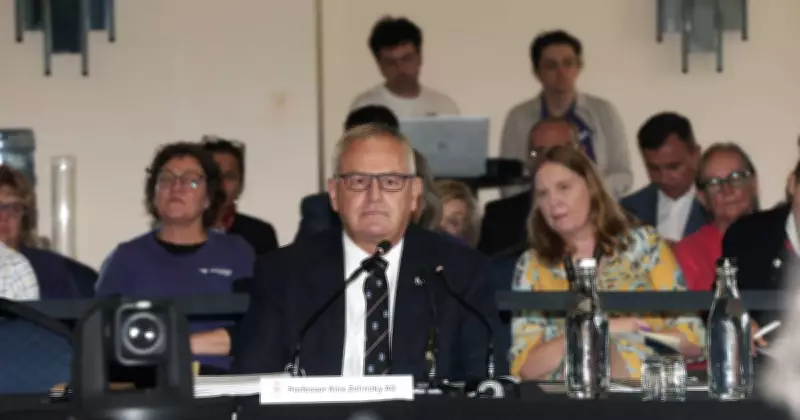
Vice-Chancellor Professor Alex Zelinsky defended the university's record, stating that it remains committed to excellence in education and research. In his testimony, he highlighted the university's strong performance in key disciplines and its contribution to the local economy. However, he acknowledged that there is always room for improvement and welcomed the inquiry as an opportunity to reflect on best practices.
Professor Zelinsky also emphasized the challenges faced by universities in a rapidly changing higher education landscape, including increased competition and funding pressures. He called for a collaborative approach to ensure that institutions can continue to thrive while meeting the needs of students and society.
Broader Implications
The inquiry is expected to make recommendations that could lead to significant reforms across the sector. Potential changes include tighter governance requirements, revised funding formulas, and enhanced accountability measures. For the University of Newcastle, the outcome could shape its strategic direction for years to come.
Stakeholders, including students, staff, and community leaders, are closely watching the proceedings. Many hope that the inquiry will address long-standing issues such as casualization of academic labor and insufficient support for disadvantaged students.
The inquiry is scheduled to continue over the coming weeks, with further hearings involving other universities in New South Wales. A final report is expected by the end of the year, which will be presented to the state parliament for consideration.