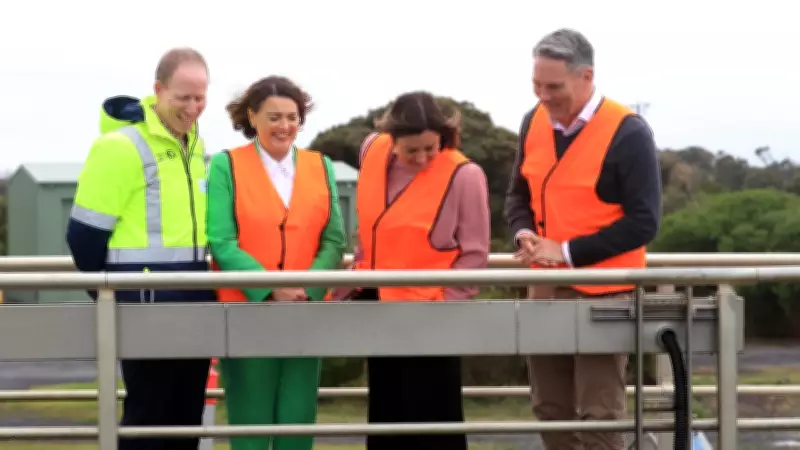
A pioneering clean energy project in Geelong has been awarded $20 million in funding to convert waste into electricity, marking a significant step forward for renewable energy in the region. The initiative aims to reduce landfill waste while generating sustainable power for local homes and businesses.
Project Details and Funding
The $20 million investment comes from a combination of state and federal government grants, as well as private sector contributions. The project will utilize advanced technology to process organic waste, including food scraps and agricultural byproducts, into biogas. This biogas will then be used to generate electricity, which will be fed into the local power grid.
Environmental and Economic Benefits
According to project developers, the facility is expected to divert thousands of tonnes of waste from landfills each year, significantly reducing greenhouse gas emissions. Additionally, the project will create dozens of jobs during construction and operation, providing a boost to the local economy. The clean energy produced will be enough to power approximately 5,000 homes annually.

Community and Government Support
Local community groups and environmental organizations have praised the project, highlighting its potential to contribute to Victoria's renewable energy targets. A spokesperson for the state government stated that the funding aligns with the government's commitment to supporting innovative clean energy solutions. The project is expected to be operational within two years.
Future Implications
This initiative is part of a broader push towards a circular economy in Geelong, where waste is seen as a resource rather than a problem. Similar projects are being explored in other parts of the state, with the goal of reducing reliance on fossil fuels and achieving net-zero emissions by 2050. The success of this project could serve as a model for other communities across Australia.