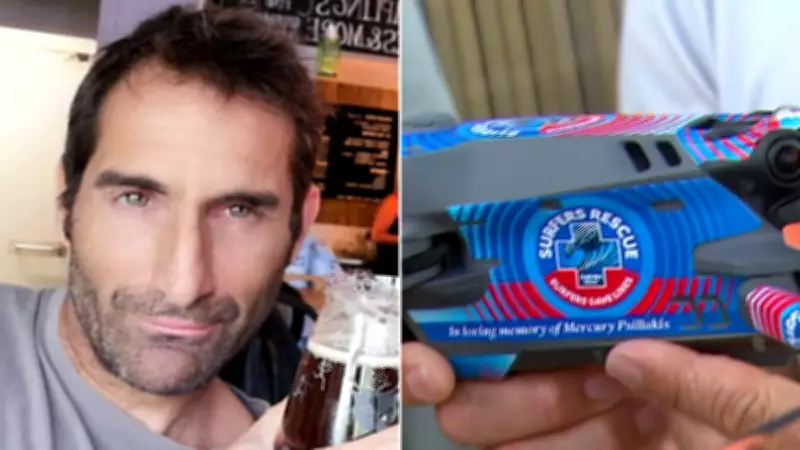
Eight months after Mercury Psillakis was killed in a shark attack at Long Reef on Sydney's Northern Beaches, his family has spearheaded a new initiative to enhance beach safety. The program involves deploying drones piloted by local volunteers to monitor the waters when surf lifesavers are unavailable.
New Drone Program Launched
On Sunday, the state government announced funding for 60 new shark detection drones, named in honor of the beloved surfer. These drones will be operated by 125 volunteer pilots at surfing competitions and training sessions.
“He’d be proud that he’s somewhat responsible for extra safety on our beaches,” said his wife Maria. “It’s an honour to recognise not only his life, but the love we continue to carry for him.”

Mike Psillakis, Mercury’s brother, expressed his belief that the technology could have prevented the tragedy. “I do know that if there was a drone in the sky that day, my brother would still be with us,” he said.
How the Drones Will Operate
Volunteer pilot Ben Wheeler explained the process: “If we do spot a shark, we’ll then go to the judges, which are within metres of us, and they’ll start pumping their horn.” The extra 60 drones will help fill gaps across the state, ensuring every surf club has access to drone surveillance technology by the end of winter.
The next step involves AI drones that can operate autonomously. However, until then, authorities will maintain shark nets until they are confident the new technology is the best available.
“This moment’s just a beginning for us,” Maria said. “There’s still more to do. This must remain an ongoing conversation.”