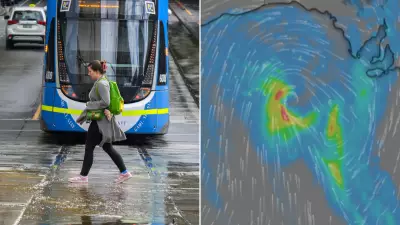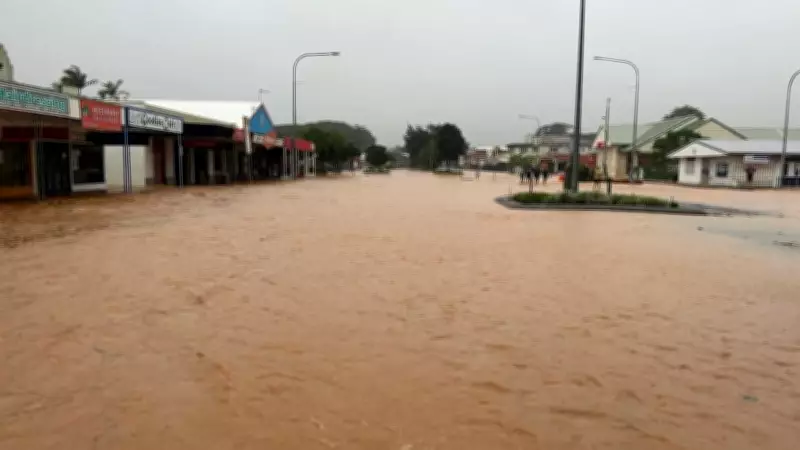
Cairns Regional Council has unveiled a $13 million wish list aimed at bolstering the region's disaster resilience, with a new disaster coordination centre and a flood levee among the top priorities. The proposals have been submitted to the federal government for funding consideration.
Disaster Coordination Centre
The centrepiece of the wish list is a new disaster coordination centre, designed to serve as a central hub for emergency response efforts. The current facilities are outdated and inadequate for managing large-scale events, according to council officials. The proposed centre would feature state-of-the-art communications technology and be capable of housing multiple agencies during crises.
Mayor Bob Manning emphasized the need for improved infrastructure, stating that the region has faced increasingly severe weather events in recent years. He noted that the new centre would enable faster and more efficient coordination between emergency services, local authorities, and volunteer groups.

Flood Levee Project
Another key component is a flood levee to protect low-lying areas of Cairns from inundation. The levee would be constructed along a section of the Barron River, which has historically been prone to flooding during heavy rainfall and cyclones. The project would include drainage improvements and the installation of flood gates to control water flow.
The council estimates that the levee could prevent millions of dollars in property damage and reduce the risk to residents in flood-prone suburbs. It would also help maintain access to essential services during flood events.
Additional Priorities
The wish list also includes funding for upgrades to local roads and bridges to improve evacuation routes, as well as investments in community resilience programs. These programs would focus on educating residents about disaster preparedness and establishing neighborhood response networks.
Council officers have been in discussions with federal representatives, and a formal submission has been made to the National Disaster Risk Reduction Framework. The council is hopeful that the projects will be considered in the upcoming federal budget.
Local business groups have voiced support for the proposals, arguing that improved disaster infrastructure is essential for economic stability. Tourism operators, in particular, have highlighted the need for reliable protection against natural disasters to maintain visitor confidence.
The wish list comes as the region prepares for the next cyclone season, with authorities urging residents to review their emergency plans. The council has assured the community that it will continue to advocate for funding at both state and federal levels.