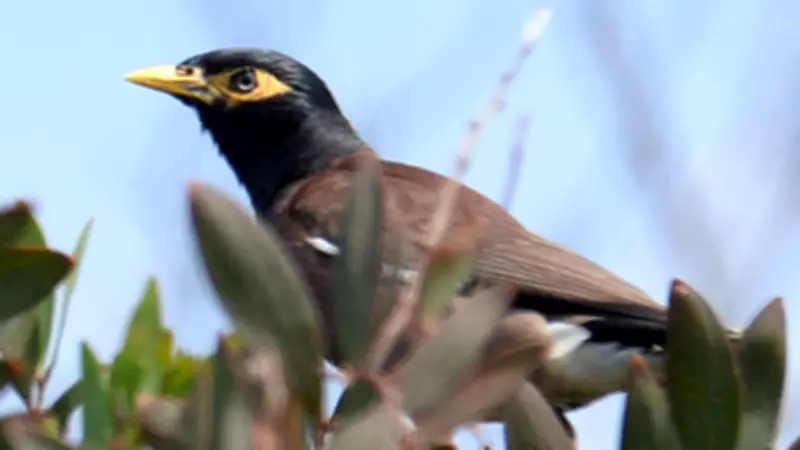
Townsville residents are urging local authorities to launch a coordinated trapping blitz to tackle the growing Indian myna bird plague, which is wreaking havoc on native wildlife and causing significant damage to properties.
Rising Concerns Over Invasive Species
The Indian myna, an aggressive invasive species, has been rapidly multiplying across Townsville, outcompeting native birds for food and nesting sites. Residents report that the birds are not only a nuisance but also pose a threat to local biodiversity. The birds are known to evict native species from their nests and can spread diseases.
Community Demands Action
Local resident Sarah Thompson said the situation has become unbearable. "These birds are taking over our suburbs. They are noisy, aggressive, and they are driving away our beautiful native birds. We need a proper trapping program before it gets worse," she said. Many residents have taken matters into their own hands by setting up traps, but they believe a coordinated blitz would be more effective.

Another resident, Mark Johnson, added: "I have spent hundreds of dollars on traps and bait, but it's not enough. The council needs to step in and organize a community-wide effort. We need to work together to control this plague."
Environmental Impact
Environmentalists warn that the Indian myna poses a serious threat to native wildlife. The birds are known to eat fruits, insects, and small reptiles, and they aggressively defend their territories. They are also carriers of avian malaria and other diseases that can affect native birds.
Dr. Emily Green, a biologist at James Cook University, explained: "Indian mynas are one of the world's most invasive species. They have a significant impact on native ecosystems. A coordinated trapping program can help reduce their numbers and protect our local wildlife."
Call for Government Support
Residents are calling on the Townsville City Council and the Queensland government to provide funding and resources for a large-scale trapping initiative. They suggest that a bounty system or subsidized traps could encourage more people to participate.
Councilor John Smith said the council is aware of the issue and is exploring options. "We have received numerous complaints about Indian mynas. We are looking into the feasibility of a trapping blitz and will consult with experts and the community before making a decision," he said.
Previous Efforts and Challenges
Previous attempts to control Indian myna populations in other parts of Australia have had mixed success. In Canberra, a community trapping program has been ongoing for years, resulting in the removal of thousands of birds. However, experts note that sustained effort is required to keep numbers down.
Residents acknowledge that a one-off blitz may not be enough and are calling for a long-term management plan. "We need a sustained effort, not just a quick fix. This is an ongoing battle that requires community involvement and government support," said Thompson.
How to Get Involved
In the meantime, residents can take steps to reduce Indian myna numbers on their properties. Simple actions include sealing entry points to roofs and eaves, removing food sources, and using specially designed traps. The local council provides information on how to humanely trap and dispose of the birds.
For those interested in participating, the Townsville City Council website offers guidelines and resources. Community groups are also organizing workshops to educate residents on effective trapping methods.
The call for a trapping blitz comes as the Indian myna population continues to grow, highlighting the need for immediate action to protect Townsville's unique wildlife and environment.