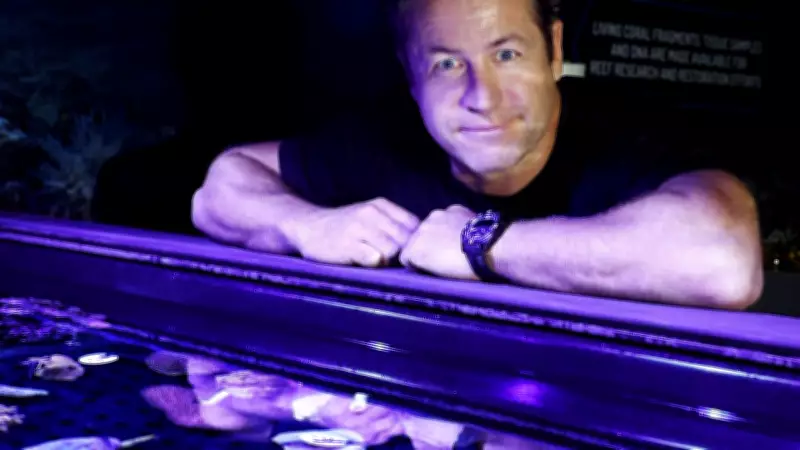
In the heart of Queensland's tropical north, a remarkable mission is underway to safeguard one of the world's most precious natural wonders. Dean Miller, a marine biologist and coral restoration expert, is leading an ambitious project to create a living backup of the Great Barrier Reef. His work aims to ensure that even if the reef suffers catastrophic damage from climate change, pollution, or other threats, a genetic repository of its coral species will survive.
The Vision Behind the Living Backup
Miller's project focuses on collecting and preserving coral samples from across the vast reef system. The goal is to create a comprehensive genetic bank that can be used to restore damaged areas or even repopulate the reef if necessary. This initiative is not just about conservation; it's about proactive intervention to give the reef a fighting chance in an era of rapid environmental change.
How It Works
The process involves carefully selecting healthy coral colonies from various locations and depths. These samples are then transported to specialized facilities where they are maintained in controlled environments. Miller and his team use advanced techniques to grow and propagate the corals, ensuring that the genetic diversity of the reef is preserved. This living collection serves as both a research tool and a safety net for future restoration efforts.

Challenges and Innovations
Creating a living backup is fraught with challenges. Corals are sensitive organisms that require precise conditions to thrive. Miller's team has developed innovative methods to mimic natural reef environments, including custom-built aquariums and water circulation systems. They also face logistical hurdles in collecting samples from remote and sometimes dangerous locations. Despite these obstacles, the project has made significant progress, with thousands of coral fragments now in cultivation.
Why This Matters
The Great Barrier Reef is not only a UNESCO World Heritage site but also a vital ecosystem that supports countless marine species and contributes billions of dollars to Australia's economy through tourism and fishing. Climate change poses the greatest threat, with rising sea temperatures causing mass bleaching events. Miller's work offers a glimmer of hope, demonstrating that human ingenuity can play a role in preserving natural heritage.
Community and Scientific Support
The project has garnered support from local communities, scientific institutions, and government agencies. Volunteers assist with coral collection and monitoring, while researchers collaborate on genetic studies and restoration techniques. This collective effort underscores the shared responsibility to protect the reef for future generations.
Looking Ahead
Miller envisions expanding the living backup to include not just corals but also other reef organisms, creating a more comprehensive repository. He also hopes to develop techniques for large-scale reef restoration, using the preserved genetic material to rebuild damaged areas. While the challenges are immense, Miller remains optimistic. 'We have the knowledge and the tools to make a difference,' he says. 'It's now a matter of scale and commitment.'
Dean Miller's mission is a testament to the power of dedicated individuals to effect change. As the Great Barrier Reef faces an uncertain future, his living backup offers a tangible plan for resilience and recovery. It is a story of hope, innovation, and the enduring bond between humans and the natural world.