A father and son duo have been ordered to pay a total of $60,000 in fines after illegally harvesting and selling tea tree stakes from the Otway Ranges, in a scheme that caused significant damage to protected vegetation.
Illegal Harvesting Operation
The pair, who cannot be named for legal reasons, were found to have cut down hundreds of tea trees in the Otways region over a period of several months. They then sold the stakes to local fencing contractors and landscapers, making a substantial profit from the illegal activity.
The operation came to light when a member of the public reported suspicious activity in a remote area of the Otways. Conservation officers from the Department of Environment, Land, Water and Planning (DELWP) launched an investigation, which uncovered the extent of the illegal harvesting.

Court Proceedings
In the Geelong Magistrates' Court, the father and son pleaded guilty to charges of illegally removing protected vegetation and damaging habitat. The magistrate described the offending as 'deliberate and calculated', noting that the pair had shown little regard for the environmental impact of their actions.
The father was fined $40,000, while his son was ordered to pay $20,000. Both were also required to cover the costs of the investigation and legal proceedings.
Environmental Impact
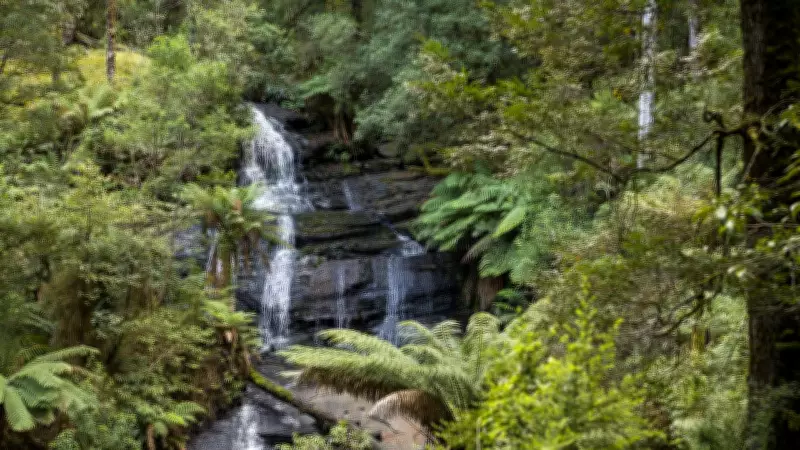
The illegal harvesting caused significant damage to the local ecosystem, including the destruction of habitat for native wildlife such as the powerful owl and the long-nosed potoroo. Conservation experts say it could take years for the affected areas to recover.
DELWP spokesperson Sarah Johnson said the fine sends a strong message that illegal vegetation removal will not be tolerated. 'The Otways are a unique and precious environment, and we will continue to work with the community to protect them from those who seek to exploit them for personal gain,' she said.
Community Reaction
The case has sparked outrage among local residents and environmental groups, who have called for stricter penalties for those who damage protected areas. 'This kind of behavior is unacceptable,' said local conservationist Mark Thompson. 'We need to ensure that our natural heritage is protected for future generations.'
The father and son have since issued a public apology and have agreed to participate in a conservation program to help restore the damaged areas. However, the incident has highlighted the ongoing challenges faced by authorities in policing remote and vulnerable ecosystems.