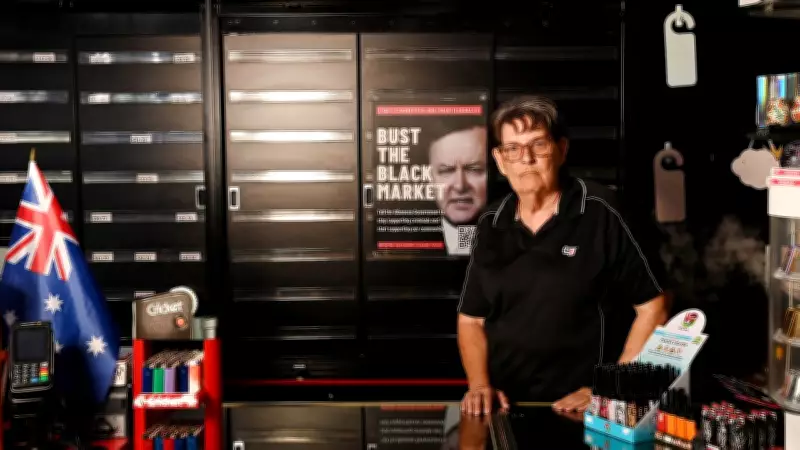
A Townsville shop owner has unveiled a three-point plan to combat the out-of-control illicit tobacco trade that is hurting local businesses. The plan includes stricter penalties for sellers, increased police patrols, and public awareness campaigns.
Plan Details
The shop owner, who wished to remain anonymous, said the black market for tobacco has exploded in recent years, with illegal cigarettes being sold from private homes and vehicles. This has led to a significant drop in sales for legitimate businesses.
Stricter Penalties
The first point of the plan calls for harsher penalties for those caught selling illicit tobacco. The owner believes that current fines are not a sufficient deterrent and that tougher measures are needed to stop the trade.

Increased Police Patrols
The second point involves more police patrols in areas known for illegal tobacco sales. The shop owner argued that a visible police presence would discourage sellers and make it harder for them to operate.
Public Awareness
The final point is a public awareness campaign to educate consumers about the dangers of buying illicit tobacco. The owner emphasized that illegal tobacco often contains harmful substances and that buying it supports criminal activity.
Local residents have expressed support for the plan, with many saying they have noticed an increase in illegal tobacco sales in their neighborhoods. One resident said, "It's out of control. You see people selling cigarettes from their cars at the park. It's not right."
The Queensland government has acknowledged the issue but has not yet responded to the specific proposals. A spokesperson said they are reviewing measures to address illicit tobacco and will consider all suggestions.
Illicit tobacco is a growing problem across Australia, with the black market estimated to cost the government billions in lost revenue each year. The issue has been exacerbated by high taxes on legal tobacco products, which make illegal cigarettes more attractive to price-sensitive consumers.
The Townsville shop owner hopes that his three-point plan will serve as a model for other communities struggling with similar issues. He urged local authorities to take action before the problem gets even worse.