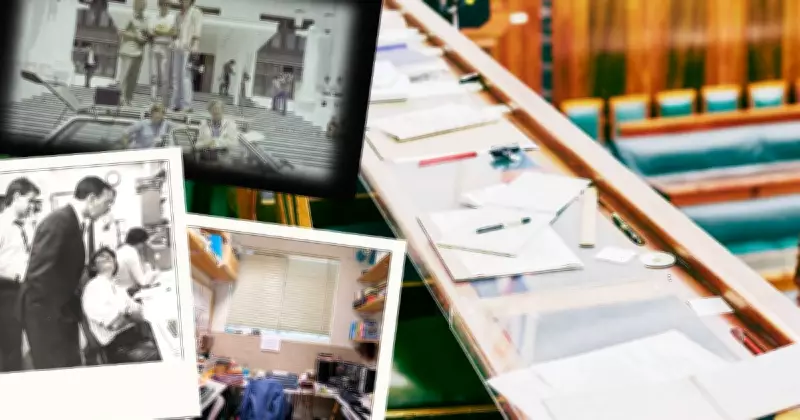
The golden era of journalism was not born in sleek, modern offices with state-of-the-art technology. Instead, it emerged from the cramped corridors and cluttered desks of newsrooms where reporters worked elbow to elbow, chasing stories under tight deadlines. These environments, often chaotic and noisy, fostered a unique camaraderie and a relentless pursuit of truth that defined an age of unparalleled reporting.
The Birth of a Legendary Newsroom Culture
In the mid-20th century, newsrooms were bustling hubs of activity. Reporters typed furiously on manual typewriters, editors barked orders, and the constant hum of teletype machines filled the air. Space was at a premium, with desks squeezed together and filing cabinets overflowing with clippings. Yet, it was this very proximity that created a sense of shared purpose and urgency.
Collaboration Under Pressure
The cramped conditions forced journalists to collaborate closely. A reporter working on a breaking story could easily turn to a colleague for a fact-check or a second opinion. This informal network of knowledge sharing often led to more accurate and comprehensive coverage. The physical closeness also meant that senior journalists mentored newcomers almost instinctively, passing on skills and ethics that became the bedrock of the profession.

Technology and Tenacity
Without the internet or mobile phones, reporters relied on their wits and a network of contacts. They used landlines, telegrams, and even messengers to gather information. The pressure to meet print deadlines was immense, but it drove a culture of thoroughness and speed. Editors worked alongside reporters, often rewriting leads at the last minute to ensure the story was as sharp as possible.
The Role of the 'Cop Shop' and 'City Round'
Many of the era's most iconic stories came from beats like the police station ('cop shop') or city hall ('city round'). Reporters would spend hours in these locations, building relationships with sources and waiting for news to break. The cramped conditions of these beats—often a small room or a corner of a larger office—meant that journalists from different papers would share tips and even collaborate, despite being competitors.
Legacy of the Golden Era
The golden era of journalism produced some of the most memorable investigations and narratives in history. From Watergate to the exposure of political scandals in Australia, the work done in those cramped corridors set a standard for accountability and storytelling. While modern newsrooms have evolved, the spirit of that era—the dedication to truth, the willingness to work under pressure, and the camaraderie among journalists—remains an inspiration.
Today, as newsrooms become more digital and dispersed, the lessons from those cramped corridors are more relevant than ever. They remind us that great journalism is not about the tools but about the people and their commitment to informing the public.