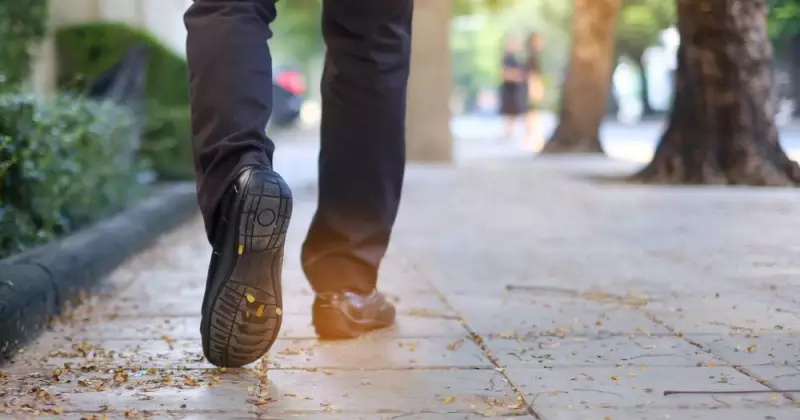
Residents of Newcastle are raising the alarm over pedestrian safety, arguing that the city's footpaths have become dangerous zones shared with fast-moving electric bikes and scooters. The debate, captured in a series of letters to the Newcastle Herald, centres on the council's decision to designate areas as 'shared pathways' and the perceived erosion of safe spaces for those on foot.
Shared Pathways: A Pedestrian's Peril?
Steve Potter of Merewether has directly challenged the City of Newcastle, questioning whether a proper risk assessment was conducted before redefining footpaths as shared spaces. "What was once a safe place for pedestrians is now shared with e-bikes and e-scooters who ride at speed," Potter writes. He highlights key locations like Bathers Way, Honeysuckle, Nobbys, and the Fernleigh Track as areas where the risk of injury has significantly increased.
The letter points to a growing national crisis, noting that six pedestrians have been killed in Australia already, with many more injured. Potter argues that relying on an overstretched police force to manage the issue is insufficient and declares that "the days of feeling safe on our footpaths are gone." The core question posed is whether the council has fulfilled its duty of care to the walking public.

Political Finger-Pointing and National Debates
The edition's letters also delve into heated national political discussions, particularly the aftermath of the Bondi beach atrocity. Carl Stevenson from Dora Creek contends that Prime Minister Anthony Albanese bears responsibility, citing the PM's awareness of widespread public anger and his past political activities. Stevenson references media reports about Albanese's attendance at a pro-Palestine rally as a student and financial links to organisations with alleged terrorist ties.
This view is strongly contested by other readers. Dennis Petrovic of Rutherford calls out the "misapportioned blame" directed at the Prime Minister by political opponents. He provides a timeline of events involving the alleged Bondi attackers, noting that key moments—like the father's arrival in Australia in 1998 and the granting of a gun licence in 2015—occurred under the prime ministerships of John Howard and Tony Abbott respectively. Petrovic also highlights that an ASIO investigation was dropped in 2019 when Scott Morrison was leader.
Michael Hinchey of New Lambton criticises attempts to link the Bondi tragedy with climate protests, calling such arguments a challenge. "Suppressing the right to protest would inflame rather than calm community tensions," he argues, suggesting that actions by the Israeli government are a more significant driver of antisemitism.
Housing, History, and Community Spirit
Local policy also comes under scrutiny. Brian Watson-Will of Corlette responds to a report about a 400-home proposal being rejected, arguing that political pushes for affordable housing are being exploited by developers. He warns that bypassing zoning rules and development plans, coupled with high interest rates and material costs, will ultimately increase housing prices rather than improve affordability.
In a lighter vein, John Sorensen of Merewether offers a historical correction and a charitable suggestion regarding Boxing Day. He explains the name's origin in the tradition of giving 'Christmas boxes' to the less fortunate and proposes a modern reflection: making a donation to a worthy cause or helping someone in need.
The collection of letters paints a picture of a community deeply engaged with issues from hyper-local footpath safety to international conflicts, demonstrating the wide-ranging concerns of Novocastrians in early 2026.