Trade Tensions with China: A Rocky Start for 2026 Beef Exports
Beef trade with China faces rocky start to 2026

The Australian beef industry is bracing for a difficult year ahead, with a significant reduction in access to its most valuable market, China, casting a long shadow over the start of 2026. This development marks an inauspicious beginning to the new year for a critical agricultural export sector.

Quota Cuts Threaten a Billion-Dollar Trade

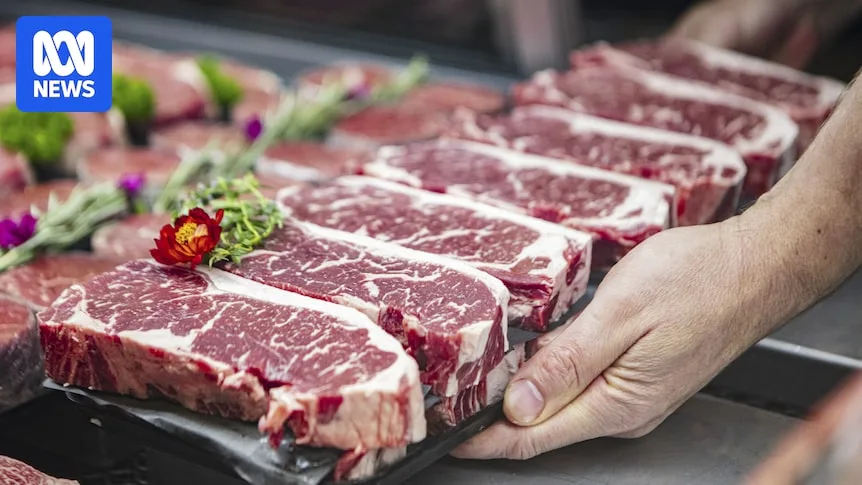
Reports indicate that China has significantly reduced its import quota for Australian beef for the first quarter of 2026. This move directly impacts a trade relationship worth approximately $1.6 billion annually. The quota, a system that controls the volume of beef allowed into China at a lower tariff rate, is a crucial mechanism for Australian exporters. The sudden constriction threatens to leave substantial volumes of Australian beef facing prohibitively high tariffs or locked out of the market entirely.

This action by Chinese authorities comes despite recent efforts to stabilise the broader diplomatic and trade relationship between Canberra and Beijing. While tariffs on Australian barley and wine have been lifted, the beef sector now finds itself in the crosshairs, highlighting the fragile and unpredictable nature of the trading environment.

Industry Reaction and Mounting Pressure

The news has sent shockwaves through Australia's agricultural and business communities. Industry leaders are expressing deep concern, warning of severe consequences for farmers, processors, and regional communities reliant on the beef export trade. The reduced quota creates immediate uncertainty for forward contracts and shipping schedules, disrupting supply chains that have been carefully built over decades.

There is a growing call for the Albanese government to intervene urgently and engage with Chinese counterparts to resolve the issue. Stakeholders argue that high-level political dialogue is essential to prevent lasting damage to a cornerstone of Australia's rural economy. The situation places immense pressure on Trade Minister Don Farrell and the Department of Foreign Affairs and Trade to secure a favourable outcome.

Broader Implications for Australian Trade

This development with beef is more than an isolated sectoral issue; it serves as a stark reminder of the challenges Australia faces in diversifying its export markets. While efforts continue to expand trade links with other partners in Southeast Asia and the Middle East, China's market size and demand remain unparalleled for many Australian commodities.

The rocky start for beef in 2026 underscores the critical need for a resilient and multi-faceted trade strategy. It highlights the risks of over-reliance on a single market and the constant requirement for diplomatic agility to navigate complex international relations. The federal government's ability to manage this specific crisis will be closely watched as a test of its overall trade policy effectiveness.

As the new year begins, Australian beef producers are facing a period of anxious waiting. The resolution of this quota dispute will not only determine the short-term profitability of the sector but also signal the true state of the Australia-China trade relationship moving forward. The coming weeks will be crucial in determining whether 2026 becomes a year of recovery or renewed strain for one of the nation's key export industries.