In a significant boost for Australia's critical minerals ambitions, Perth-based explorer Encounter Resources has announced a major rare earths discovery in the remote West Arunta region of Western Australia. The find, made at the company's 100%-owned Laramide project, points to a substantial new source of minerals vital for modern technology and defence applications.
A Discovery in the Desert Wilderness
The exploration breakthrough centres on the Myrtle prospect, where recent drilling has returned exceptionally high-grade results. One standout drill hole intersected 104 metres at 3.14% total rare earth oxides (TREO) from 196 metres downhole. This intercept is notable not only for its length and grade but also for its high concentration of the most valuable magnet rare earth elements, neodymium and praseodymium (NdPr).
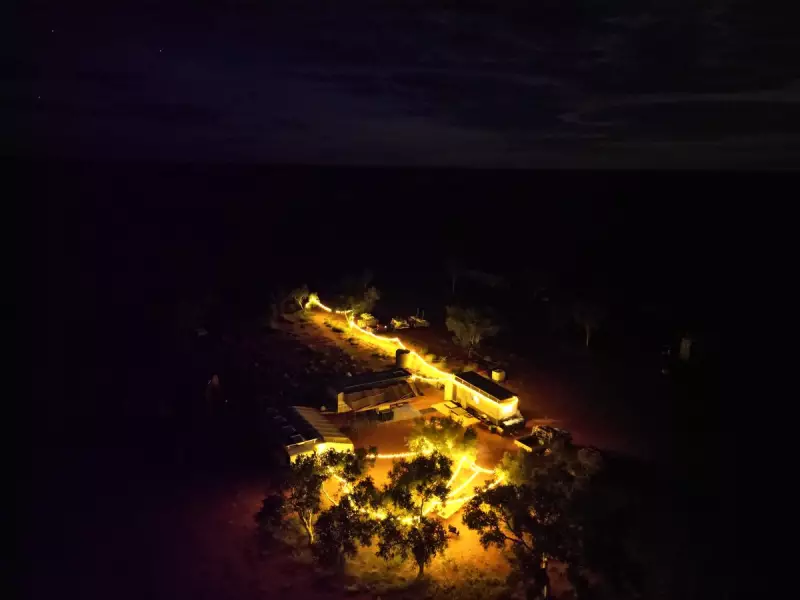
Encounter's Managing Director, Will Robinson, described the results as outstanding, confirming Myrtle as a major rare earths system. The mineralisation remains open in multiple directions, suggesting the potential for a much larger resource. The discovery was made in a region long considered geologically promising but notoriously difficult to explore due to its extreme remoteness and rugged terrain.

Strategic Significance for Australia's Critical Minerals Push
This discovery comes at a pivotal time. Governments in Australia and allied nations are actively seeking to diversify supply chains for critical minerals away from dominant producers. Rare earths are essential for manufacturing high-strength permanent magnets used in electric vehicles, wind turbines, and advanced defence systems like the F-35 fighter jet.
The West Arunta region is rapidly emerging as a new frontier for these strategic commodities. Encounter's find adds to nearby projects like the Aileron development held by WA1 Resources. The geological setting, involving carbonatite and syenite intrusive rocks, is a classic host for rare earth deposits and provides a clear blueprint for further exploration success in the area.
The high NdPr content of the Myrtle discovery, averaging 24% of the TREO basket, is particularly valuable. These elements command premium prices and are the primary drivers of economic value in rare earth projects. The find demonstrates that Australia can host world-class deposits of the specific minerals needed for the global energy transition.
Logistics and the Path Forward
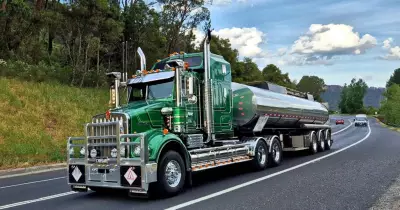
While the geology is promising, the location presents a formidable challenge. The West Arunta is a parched wilderness, hundreds of kilometres from established infrastructure like ports, roads, and rail. Any future development would require significant investment in logistics, potentially involving partnerships with larger mining companies or government-supported infrastructure initiatives.
Encounter Resources is not slowing down. The company is planning an aggressive follow-up drilling program to define the extent of the mineralisation at Myrtle and test other high-priority targets across its expansive Laramide project area. The market has responded positively, with the company's share price reflecting the excitement around this potentially company-making discovery.
This discovery underscores the enduring potential of Australian exploration. In one of the planet's oldest and most stable geological terrains, patient and science-driven exploration can still yield transformative results. For Australia's critical minerals strategy and for the global push towards cleaner technology, the flood of rare earths in the West Arunta wilderness is a welcome and timely development.