Western Mines Unlocks Magnesium Potential at Massive WA Nickel Project
Western Mines Group has forged a strategic partnership with Magnium Australia to explore the production of magnesium metal from waste rock at its expansive Mulga Tank nickel project in Western Australia's Eastern Goldfields region. This innovative agreement could transform hundreds of millions of tonnes of overburden waste into a valuable revenue stream.
Non-Binding Agreement to Investigate Magnesite Supply
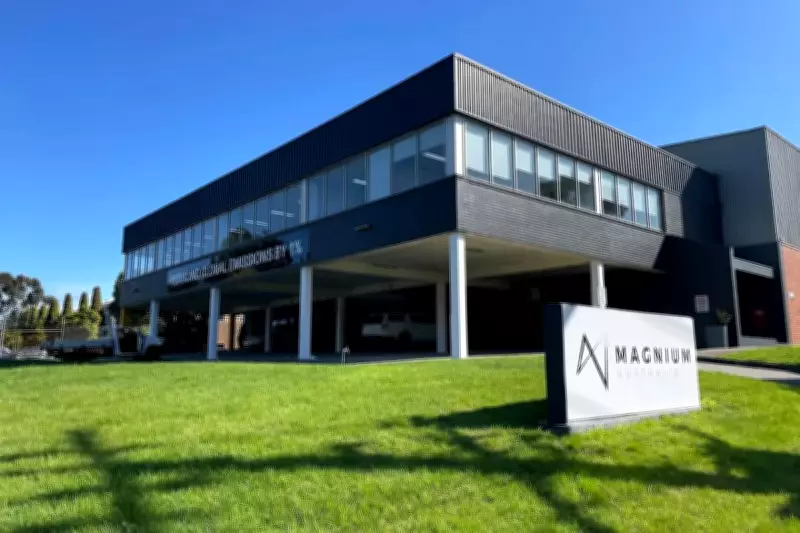
The company has entered into a non-binding memorandum of understanding with private technology firm Magnium Australia to study the supply of magnesite from the near-surface oxide cap at Mulga Tank. Currently classified as waste rock in the resource model, this material may soon serve as essential feedstock for Magnium's ambitions to become a leading producer of low-carbon magnesium metal.
Under the terms of the agreement, Western Mines will work to delineate the extent of the "magnesite cap" and provide bulk samples for comprehensive metallurgical testing. If the material proves suitable, both companies will pursue a formal supply agreement to feed Magnium's proprietary "Magsonic" carbothermic reduction process. This technology, developed by the CSIRO, is designed to produce high-purity magnesium efficiently.

Commercialising a 348-Million-Tonne Oxidised Domain
This deal presents a significant opportunity for Western Mines to commercialise a 348-million-tonne oxidised domain that overlies its massive nickel sulphide deposit. The company reports that the upper 10-to-20 metres of the project's dunite intrusive has weathered to form a magnesite-rich layer. Recent X-ray diffraction analysis of samples from this zone has revealed magnesite grades as high as an impressive 48 percent.
For Western Mines, monetising a product that would otherwise be treated as overburden could dramatically improve the economic viability of the Mulga Tank project. Magnium is actively seeking magnesium-rich material to supply its planned pilot plant for the Magsonic process in Collie, Western Australia.
Statements from Western Mines Leadership
Western Mines Group managing director Dr Caedmon Marriott commented on the development, stating, "At Mulga Tank we have high MgO in abundance. The main body of the Mulga Tank Complex is a fairly unique piece of rock, being a huge +45% MgO adcumulate dunite. This oxide zone is treated as overburden in our resource model. Assuming successful results from the MoU, it could be transformative for the economics of the project to generate revenue from this waste."
Magnesium as a Critical Mineral
Magnesium is recognised as a critical mineral in Australia, with diverse applications in defence, aerospace, and lightweight clean-energy technologies. Magnium notes that Australia currently relies entirely on imports for its magnesium supply, making the substantial magnesite cap at Mulga Tank a compelling opportunity as the company seeks to commercialise its innovative technology.
Focus Remains on Nickel Sulphide Endowment
While the magnesite initiative adds an intriguing new dimension to the Mulga Tank narrative, the primary focus remains on the project's enormous nickel sulphide endowment. Western Mines has delineated a resource of nearly 2 billion tonnes, containing:
- 5.3 million tonnes of nickel
- 257,000 tonnes of cobalt
- 161,000 tonnes of copper
- 1.1 million ounces of platinum and palladium combined
This immense scale positions Mulga Tank among Australia's largest nickel sulphide deposits. Over the past three years, the project has consistently delivered promising results, revealing a vast nickel sulphide system with both disseminated mineralisation and the potential for higher-grade massive sulphide accumulations at depth.
Potential to Transform Commercial Outcomes
If this latest partnership proves successful, Western Mines could significantly alter its commercial prospects, even within the currently depressed nickel market. By potentially converting a massive waste pile into a sought-after critical mineral feedstock, the company moves closer to developing one of the world's most impressive nickel sulphide systems.