Six Oil Ships Turned Back as Australia's Fuel Crisis Deepens
Energy Minister Chris Bowen has confirmed that six oil ships destined for Australia have been either turned back or deferred, intensifying the nation's escalating fuel crisis. This development has triggered renewed alarm among farmers across the country, who report that diesel and fertiliser supplies are rapidly diminishing just as they enter the crucial planting period for crops.
"With fuel and fertiliser, this is probably one of the most difficult seeding periods we've ever had to approach," stated Tony Seabrook from the Pastoralists and Graziers Association. "We've only got one window. It's a very short window. We can't delay this. When the crop has to go in the ground, it's got to go in the ground."
Critical Shortages Hit Farmers Nationwide
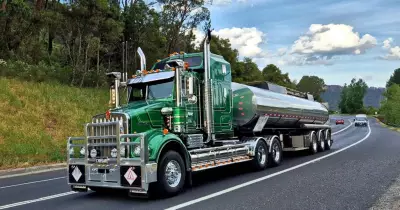
In Western Australia, wheat, barley and canola producers are confronting severe shortages that threaten agricultural output. Minister Bowen disclosed that of the 81 fuel vessels scheduled to arrive in Australia during April, six have been cancelled outright. Major suppliers in Singapore, South Korea and Malaysia are experiencing overwhelming demand, compelling importers to seek alternative sources in the United States, Mexico and India.

The global fuel situation has been further aggravated by Iran's blockade of the Strait of Hormuz, which has disrupted approximately twenty percent of the world's oil transportation routes. "I think you should always expect Australians to be concerned when they see oil ships being bombed on their televisions at night," Bowen remarked, highlighting the international dimensions of the crisis.
Political Criticism and Emergency Powers
Shadow energy minister Dan Tehan has launched sharp criticism against the government's handling of the situation. "I think we should be worried about it because Chris Bowen doesn't seem to know what is going on," Tehan asserted. The federal opposition has demanded that the government prioritise fuel distribution to regions experiencing the most acute shortages.
"Why aren't they identifying where the shortages are and making sure the fuel gets there?" Tehan questioned. While the Energy Minister possesses authority under the Liquid Fuel Emergency Act to direct fuel supplies, Bowen indicated that invoking these powers remains premature. "It's never been invoked ever, not through the first two Gulf Wars, COVID," he explained. "It's not designed to be invoked lightly."
Public Transport Proposal to Alleviate Pressure
Meanwhile, unions in New South Wales are urging the state government to implement free or significantly discounted public transport fares across Sydney's network. This measure aims to reduce fuel consumption by encouraging commuters to abandon private vehicles, thereby conserving diesel supplies for agricultural and regional transportation needs.
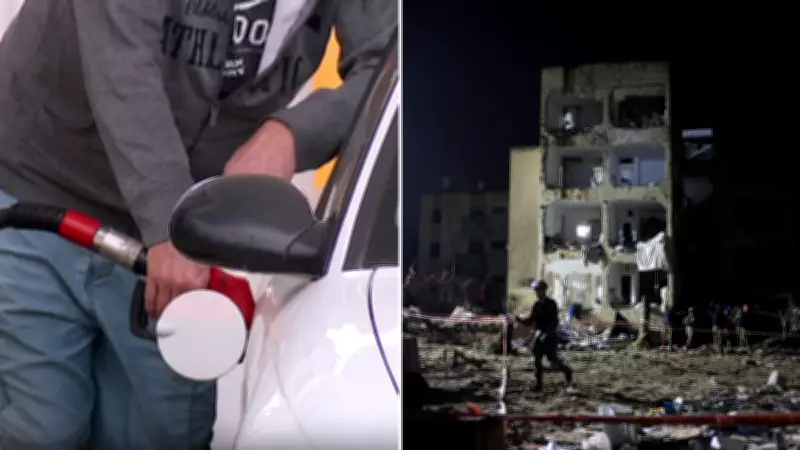
The Rail, Tram and Bus Union argues that fare reductions would provide immediate relief as petrol prices reach unprecedented levels due to ongoing international conflicts. Sydney's average petrol prices have soared to approximately $2.40 per litre for regular unleaded and nearly $2.83 for diesel, with some service stations reporting complete stockouts.
"To immediately reduce fares across our entire public transport network," proposed Toby Warnes of the RTBU. "You could reduce it to nothing at least for a period of time. Or we could adopt the Queensland model and reduce it to something like 50 cent fares."
Warnes emphasised the urgency of the situation: "This is a global fuel crisis we haven't seen since the 1970s and they're talking about it being worse. We need to take every measure that we have in our arsenal right now."
Government Response and Community Impact
The proposal has garnered support from commuters, with one family indicating they would switch from driving between Waterloo and Coogee to using bus services if fares were reduced. The union advocates not only for lower ticket prices but also for increased service frequency to make public transport more attractive.

However, the NSW government has refrained from committing to the initiative. Transport Minister John Graham responded: "People need trains that turn up on time before we consider these other proposals. We're calling on the community to look after each other. Make sure you're not taking more than you need."
The RTBU expressed disappointment at the government's reluctance, noting that numerous difficult decisions were implemented during the COVID-19 pandemic and arguing that the current fuel emergency warrants similar decisive action. As the crisis shows little indication of easing, stakeholders across agriculture, transportation and government continue to grapple with the far-reaching consequences of disrupted global fuel supplies.