WA Fuel Crisis Forces Hospitality Sector to Raise Prices on Takeaway Items
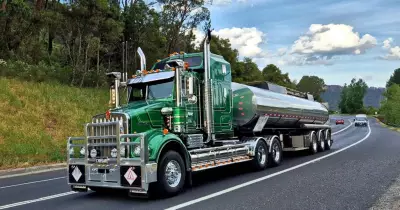
The ongoing fuel crisis in Western Australia is having a severe impact on the hospitality industry, with businesses forced to increase prices for popular takeaway items such as bagels and smoothies. As fuel costs continue to escalate, cafes and restaurants across the state are struggling to manage rising operational expenses, leading to higher prices for consumers.
Rising Costs for Takeaway Food
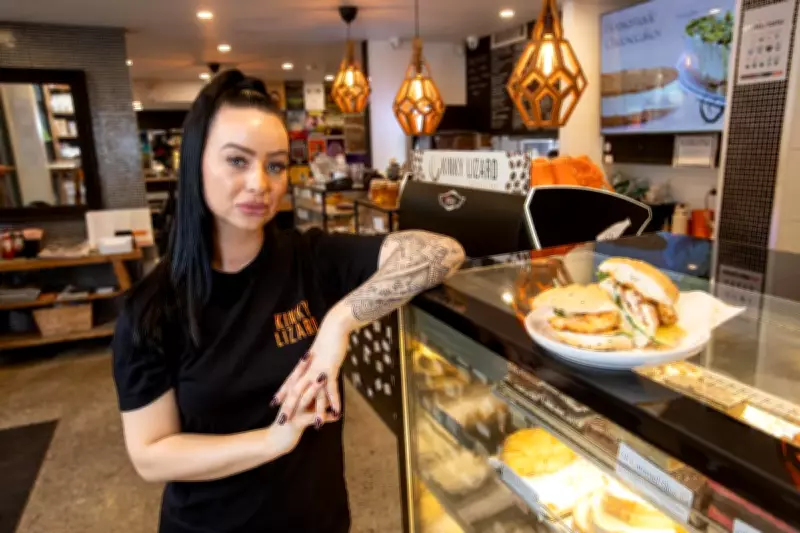
In recent weeks, the price of bagels and smoothies has seen a significant surge, with some establishments reporting increases of up to 20% or more. This trend is directly linked to the fuel crisis, which has driven up transportation and supply chain costs. Many hospitality operators are now facing difficult decisions as they attempt to balance customer affordability with the need to cover their expenses.
The hospitality sector is bearing the brunt of this crisis, with small businesses particularly vulnerable. Owners have noted that the cost of ingredients, delivery, and other essentials has skyrocketed, forcing them to pass some of these costs onto customers. This has resulted in noticeable price hikes for everyday items like bagels and smoothies, which are staples in many takeaway menus.

Impact on Businesses and Consumers
The fuel crisis is not only affecting prices but also the overall viability of hospitality businesses. Some operators are considering reducing hours or cutting back on menu options to cope with the financial strain. Consumers, in turn, are feeling the pinch as their favorite takeaway treats become more expensive, potentially leading to decreased sales and further challenges for the industry.
Experts warn that if the fuel crisis persists, the hospitality sector could see long-term effects, including job losses and business closures. The situation highlights the interconnected nature of economic issues, where a single factor like fuel availability can ripple through multiple industries.
Looking Ahead
As Western Australia grapples with this fuel crisis, stakeholders are calling for government intervention and support to help mitigate the impact on small businesses. In the meantime, hospitality owners are urging customers to be understanding of the price increases, emphasizing that they are necessary to keep operations running.
The crisis serves as a stark reminder of the fragility of supply chains and the importance of stable fuel supplies for everyday economic activities. For now, residents can expect to pay more for their takeaway bagels and smoothies as the hospitality sector navigates these challenging times.