Cyclone Narelle Disrupts Australian LNG Operations, Threatening Global Energy Supply
Cyclone Narelle is currently posing a significant threat to global liquefied natural gas (LNG) supply chains, as it impacts key production facilities in Australia. This meteorological event is adding further strain to an already volatile energy market, with potential implications for prices and availability worldwide.
Impact on Australian LNG Production
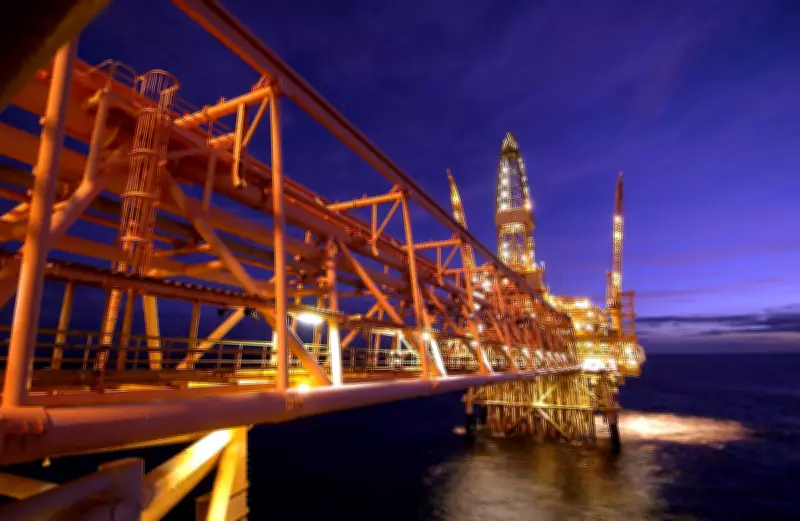
Australia is one of the world's largest exporters of LNG, and Cyclone Narelle is disrupting operations at several critical facilities. The cyclone's path is affecting offshore platforms and onshore processing plants, leading to temporary shutdowns and reduced output. This disruption comes at a time when global demand for natural gas remains high, particularly in regions like Europe and Asia, which rely heavily on Australian exports.
The timing of this cyclone is particularly concerning, as it exacerbates existing supply chain challenges. Recent geopolitical tensions and logistical issues have already tightened global LNG markets, making any additional disruptions a cause for alarm among industry analysts and consumers alike.

Global Energy Market Implications
The threat from Cyclone Narelle could lead to increased volatility in global energy prices. With Australia accounting for a substantial portion of LNG exports, any prolonged interruption in production may force buyers to seek alternative sources, potentially driving up costs. This situation highlights the fragility of global energy supply chains and their susceptibility to natural disasters.
Energy experts warn that the cyclone's impact may ripple through markets, affecting not only immediate supply but also long-term contracts and investment decisions. Companies involved in LNG production are closely monitoring the situation, implementing safety protocols to protect infrastructure while assessing the financial and operational fallout.
Response and Mitigation Efforts
In response to Cyclone Narelle, Australian LNG operators have activated emergency plans to safeguard personnel and equipment. These measures include evacuating non-essential staff from offshore sites and securing facilities against high winds and heavy rainfall. However, the extent of the damage and the duration of the disruption remain uncertain, depending on the cyclone's intensity and trajectory.
- Increased monitoring of weather patterns to predict further impacts.
- Coordination with government agencies to ensure safety and compliance.
- Communication with international buyers to manage supply expectations.
This event underscores the importance of resilience in energy infrastructure, as climate-related risks become more frequent and severe. Stakeholders are calling for enhanced preparedness and investment in robust systems to mitigate future disruptions.
Long-Term Outlook for LNG Supply
Looking ahead, the disruption caused by Cyclone Narelle may prompt a reevaluation of global LNG supply strategies. Countries dependent on Australian exports might diversify their sources or increase domestic production to reduce vulnerability. Additionally, this incident could accelerate the adoption of renewable energy alternatives, as businesses and governments seek more stable and sustainable options.
The ongoing situation serves as a reminder of the interconnected nature of global energy markets, where events in one region can have far-reaching consequences. As Cyclone Narelle continues to unfold, its full impact on LNG supply and prices will become clearer, shaping discussions on energy security and policy in the months to come.