Donald Trump's Transactional Friendship with Australia: Tariffs and Trade Realities
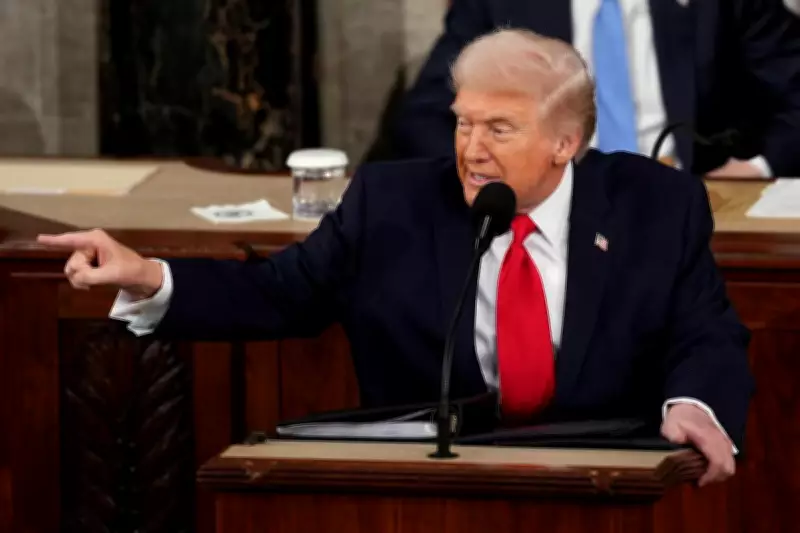
In a recent State of the Union address, former US President Donald Trump reaffirmed his view of Australia as one of America's closest allies. However, this friendship is tested by his imposition of a 15 per cent tariff on Australian exports, a move that underscores his typically transactional approach to international relations. Trump argued that this tariff could have been as high as 50 per cent, suggesting a lenient stance, but this logic highlights the peculiar dynamics of his foreign policy.
America First: A Shift Towards Isolationism
The address, known for its length and bombastic tone, revealed Trump's retreat from global engagement in favor of a hyper-populist and parochial agenda. As he declared, "Our country is winning so much we don't know what to do about it!", the unspoken implication is that other nations, including allies, are left to fend for themselves. This America First philosophy is increasingly resembling an America Only stance, driving wedges into historical alliances across the Western world and beyond.
Opportunities Amid Turmoil: Australia's Strategic Moves
For Australia, a nation of strategic geographic importance and abundant natural resources, Trump's mercantilist policies present both challenges and opportunities. The tariff turmoil is prompting nations to seek new accords and strengthen existing ones as hedges against US unpredictability. In response, Australia is edging towards an elusive and lucrative free trade agreement with Europe, potentially sealed within weeks, thanks in large part to Trump's actions.

European leaders are also looking to enhance military and intelligence relationships with Australia, aiming to counter China's influence in the Asia-Pacific and fill the void left by Trump's decoupling from global agreements. Simultaneously, Trump's commitment to boosting America's military industrial base through a $US1 trillion "Peace Through Strength" defense policy offers hope that the $A268 billion AUKUS deal will be honored by his administration.
Costs and Uncertainties: The Price of Friendship
While these developments are positive for Australia, Trump's ambiguous stance on protecting Taiwan's sovereignty raises anxiety among military strategists in the region. This ambiguity is part of the cost of maintaining friendship with a leader known for his divisive politics. As Iran might soon discover, the cost of being his enemy could be far worse, underscoring the high stakes in global diplomacy under Trump's influence.
In summary, Trump's State of the Union address confirms a transactional and isolationist foreign policy that strains traditional alliances. For Australia, this creates a complex landscape of tariffs and trade tensions, but also opens doors to new partnerships and strategic advantages in a rapidly changing world order.