Australia's Energy Paradox: Rich in Resources, Yet Vulnerable in Crisis
The conflict with Iran has served as a stark, real-time lesson in what truly powers our daily lives, brutally reminding us of the fuels that matter and the government's role in safeguarding supply chains to protect livelihoods. But why does such an energy-rich nation like Australia find itself exposed during an energy crisis? With vast deposits of coal, gas, and oil, we rank among the world's top resource holders, yet struggles persist in delivering fuel to suburban bowsers nationwide. This situation raises urgent questions about our energy strategy and security.
The Green Dream's Costly Reality
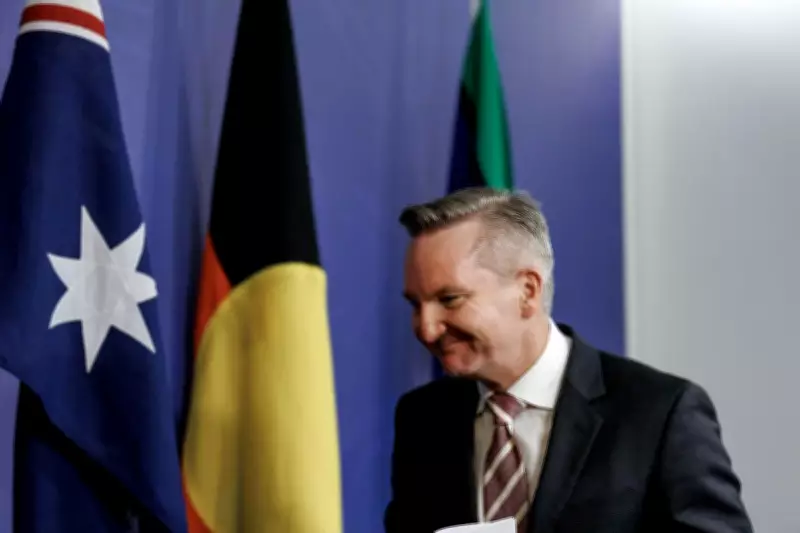
Energy Minister Chris Bowen and his cabinet colleagues have pursued a myopic green agenda with zealotry akin to religious extremism, driving a rapid shift to renewables without adequate balance. Over the past four years, promises of reduced power bills and cheap renewable energy have proven false, akin to assurances that the sun always shines or wind always blows. This fanatical approach, supported by true believers and Teal supporters, risks pushing the country toward financial strain, with respected financial commentator Robert Gottliebsen estimating a potential $1 trillion cost over 35 years for questionable green infrastructure.
Ironically, younger generations under 30 may bear the brunt, struggling to repay these costs in their working lifetimes, challenging notions of progressive virtue. Amid this, a lack of accountability and transparency obscures the human toll of building our renewable energy grid and the danger of ceding control to China, which dominates the critical mineral supply chain.

Human and Environmental Costs in Global Supply Chains
In developing countries like the Democratic Republic of Congo and Zambia, Chinese mining companies exploit resources with appalling conditions. Health and safety regulations are non-existent, workplace deaths are common, and child and slave labor are used with impunity, while environmental safeguards are ignored. The priority is controlling critical minerals like cobalt and copper, essential for renewable energy components such as wind turbines, solar panels, and batteries.
China then sells these products to nations like Australia, gradually gaining control over our energy grid. Without Chinese components or minerals extracted from these harsh environments, our net-zero future is jeopardized. This reality weaponizes poverty and environmental destruction to maintain a monopoly, yet it is often masked as clean and green energy.
Voices from the Ground: The True Price of Renewables
Zambian lawyer Mehluli Batakathi, educated in New York, represents farmers whose lives are ruined by toxic sludge from Chinese copper mines. He notes, "We're at the tail end of the chain because you guys in your part of the world are talking about renewable energy, green revolution and whatever. But maybe it's clean on your side but on our side, it's definitely not clean. I guess we are carrying you on our shoulders and it's quite heavy. We are paying a huge price. Some are paying with their lives." His words underscore that virtually every part of Australia's green energy transition relies on this supply chain of misery.
Meanwhile, in Australia, prime agricultural land is disrupted for transmission lines, and farming communities are torn apart by subsidized wind and solar projects of uncertain viability. Chinese architects benefit most, laughing as they control key resources. Official statistics show China burns 57% of the world's coal, while Australia's coal industry is marginalized domestically.
Policy Paralysis and Missed Opportunities
Australia lacks a rational debate on nuclear energy, with scaremongering tactics clouding election campaigns, while China plans to build 150 nuclear plants in 15 years. Chinese Communist Party policies prioritize national interests ruthlessly, unlike Minister Bowen's approach. Australia holds the world's second-largest reserves of cobalt, copper, and nickel, plus the largest lithium deposits and vast rare earths. Our miners practice clean extraction and ethical standards, ready to expand, but cannot compete with child labor, environmental destruction, and false promises from abroad.

Bowen's capacity investment scheme even underwrites Chinese companies over home-grown projects, according to critics. Independent energy experts suggest Australia could achieve self-sufficiency, but renewables are prioritized over fossil fuel opportunities in exploration or processing. This hijacks national energy security on the altar of green philosophy, placing green handcuffs on energy independence. If policies remain unchanged, another energy crisis looms, independent of Middle East conflicts, threatening our future stability and prosperity.