Trump's Strait of Hormuz Warning Unlikely to Ease Tensions, Expert Says
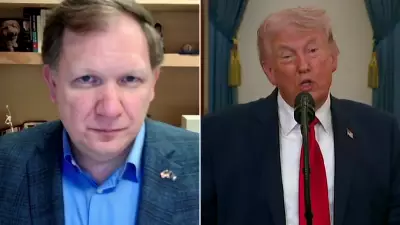
A leading maritime security expert has stated that an expletive-laden warning from former US President Donald Trump is unlikely to help ease tensions in the Middle East or restore the normal flow of oil through the critical Strait of Hormuz. Trump made the aggressive post on Truth Social, telling Iran to open the strait as the world faces a mounting energy crisis.
Impact on Global Shipping and Energy Prices
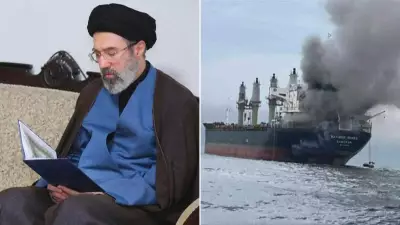
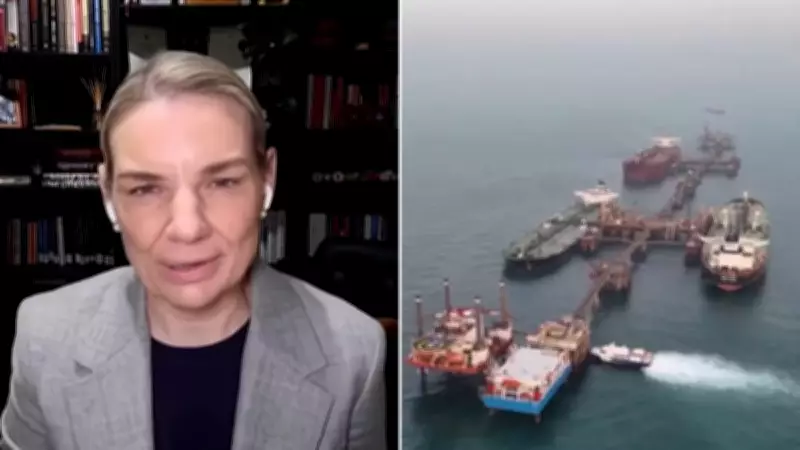
Jennifer Parker, a former Australian Defence Force senior officer and maritime security specialist, explained that Trump's rhetoric is not expected to make any meaningful difference on the ground. She emphasized that such threats do not change the current constrained shipping flow through the strait, where only about eight ships passed recently compared to the usual 138 daily. This severe reduction is due to ongoing attacks by Iran, with 27 incidents reported, including one over the weekend.
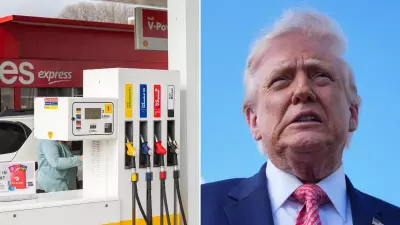
Meanwhile, the global energy crisis continues to impact Australian motorists, with petrol prices remaining well above $2 per litre and diesel around $3 in many areas. The situation at the Strait of Hormuz exacerbates these challenges, as it is a key choke point for oil shipments.

Urgent Need for Confidence and Solutions
Parker highlighted that instead of inflammatory rhetoric, what is urgently needed is confidence-building measures to reassure international shippers. Currently, about 2,000 ships are waiting inside and outside the Gulf to transit the strait. She outlined two potential paths forward: a diplomatic agreement with Iran to halt attacks or military intervention to force a return to normal shipping levels. However, she noted that diplomatic efforts, while useful for pressure, are unlikely to quickly restore the daily flow of 138 ships.
Complications and Global Implications
Further complicating the situation are reports that Iran may attempt to charge vessels millions of dollars for safe passage. Parker acknowledged that some ships might have paid up to $2 million to move closer to Iranian waters, but she warned that such a system would be deeply problematic. She stressed that ships are entitled to transit passage through this international strait, and if the global community allows fees, it could set a dangerous precedent at other key choke points like the Strait of Malacca.
Any move in that direction could have far-reaching consequences, disrupting global trade routes and driving prices even higher for consumers already feeling the strain. Parker's analysis underscores the complexity of the crisis and the need for strategic, rather than rhetorical, solutions to ensure stability in the region and beyond.