Trump's Middle East Address Exposes Deep Frustration with European Allies
Donald Trump's latest speech regarding the ongoing war in the Middle East has laid bare a profound frustration at the core of his foreign policy approach. According to one prominent expert, the former US president perceives Europe and NATO as having been "freeloading off of American leadership for decades".
Sharp Message to Allies Over Strait of Hormuz
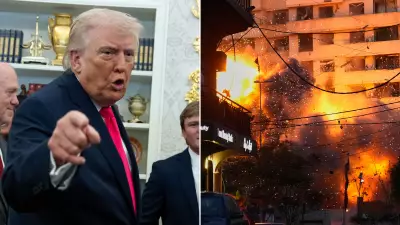
In an address that largely reiterated familiar talking points, Trump delivered a pointed message to allied nations. He urged them to assume greater responsibility for securing the vital Strait of Hormuz as the regional conflict enters its fifth consecutive week.
"The countries of the world that do receive oil through the Hormuz Strait must take care of that passage, build up some delayed courage. Should have done it before, should have done it with us as we asked, go to the strait and just take it," Trump declared during his remarks.

Expert Analysis Reveals Transactional Worldview
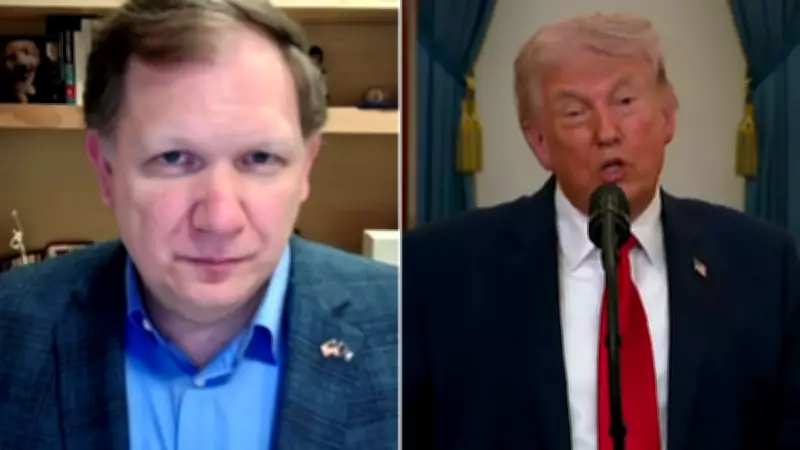
While the speech offered minimal new details about potential resolutions to the war, former White House spokesperson Pete Seat argued it revealed something far more significant about Trump's perspective on international relations.
"President Trump is clearly frustrated at those allies, and he's frustrated because he feels the United States was forced to act only in alliance with Israel to address the very real threat that Iran desires nuclear weapons," Seat explained.
He highlighted a particular irony in the situation, noting that European capitals are geographically closer to Iran and potentially within range of missiles that Iran had previously claimed not to possess.
According to Seat, this scenario reinforces Trump's longstanding conviction that Europe and NATO have benefited disproportionately from American leadership without commensurate contribution.
Pattern of Transactional Alliance Management
Seat further elaborated that the president's comments reflect a broader, consistent pattern in his approach to international partnerships. Trump consistently views alliances through a strictly transactional lens, where support and cooperation are expected to be reciprocated with tangible action and commitment.
"He loves to say jump and to hear people say, how high, sir," Seat remarked, characterizing Trump's leadership style regarding allied nations.
Uncertain European Response Amid Ongoing Conflict
Whether European nations will respond to this renewed pressure remains uncertain. Leaders continue to convene behind closed doors as hostilities persist, with no clear indication of how they might address Trump's demands for greater involvement in securing the Strait of Hormuz.
According to Seat's analysis, Trump is not merely issuing directives to allies but is closely monitoring which nations actually follow through with concrete actions. This watchful approach underscores his emphasis on demonstrated commitment over diplomatic assurances.
The speech has reignited discussions about the future of transatlantic relations and the distribution of security responsibilities in volatile regions like the Middle East.