Port Douglas Nature Reserve Unveils Solar Project to Slash Diesel Generator Reliance
Thala Beach Nature Reserve, located in the scenic Port Douglas region of Queensland, has announced the launch of a significant solar energy initiative aimed at drastically reducing its dependence on diesel generators. This project marks a major step forward in the reserve's commitment to environmental sustainability and eco-friendly tourism practices.
Solar Installation Details and Environmental Impact
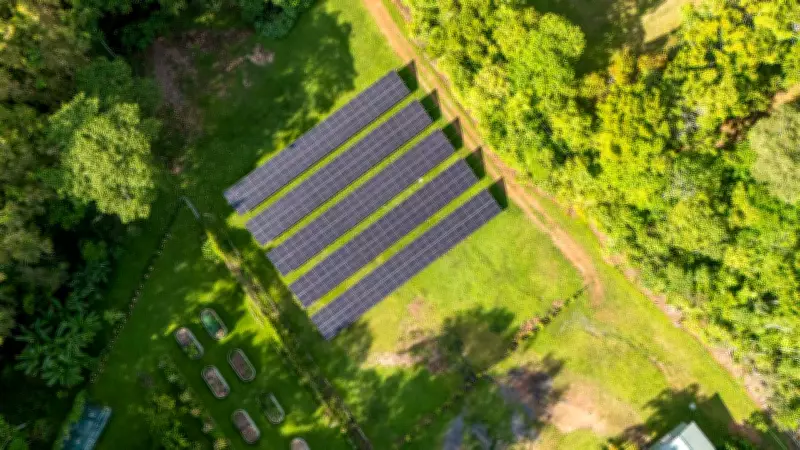
The newly installed solar system comprises a large array of photovoltaic panels strategically placed across the reserve's facilities. This setup is designed to harness abundant sunlight in the tropical Far North Queensland area, generating clean electricity to power key operations. By integrating this renewable energy source, Thala Beach Nature Reserve expects to cut its diesel generator usage by approximately 50%, leading to a substantial decrease in carbon emissions and operational noise pollution.
This reduction in diesel reliance not only benefits the local environment by lowering greenhouse gas outputs but also aligns with broader regional efforts to promote sustainable tourism. The reserve's management highlighted that the solar project is part of a long-term strategy to minimize their ecological footprint while maintaining high standards for visitor experiences.

Benefits for Tourism and Community
The implementation of solar power at Thala Beach Nature Reserve is anticipated to enhance its appeal as a destination for eco-conscious travelers. By showcasing a commitment to renewable energy, the reserve aims to attract tourists who prioritize sustainability, potentially boosting local tourism revenue. Additionally, the project may serve as a model for other businesses in the Port Douglas area, encouraging wider adoption of green technologies.
Community stakeholders have expressed support for the initiative, noting its positive implications for regional environmental health and economic resilience. The reserve's efforts contribute to Queensland's goals for reducing fossil fuel dependency and advancing clean energy solutions in the tourism sector.
Future Plans and Industry Implications
Looking ahead, Thala Beach Nature Reserve plans to monitor the solar system's performance closely and explore opportunities for further expansions, such as adding battery storage to increase energy independence. This move could set a precedent for similar nature reserves and hospitality venues across Australia, demonstrating the feasibility and benefits of transitioning to renewable energy sources.
In summary, the solar project at Thala Beach Nature Reserve represents a proactive approach to environmental stewardship, with significant reductions in diesel use and a strengthened position in the sustainable tourism market. As the reserve continues to innovate, it underscores the growing importance of eco-friendly practices in preserving natural habitats and supporting local economies.