Middle East Conflict Enters Second Month with Escalating Regional and Global Impact
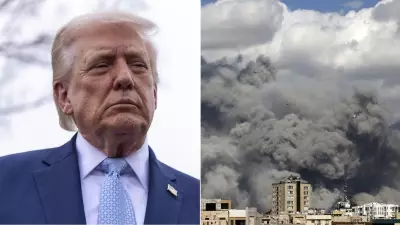
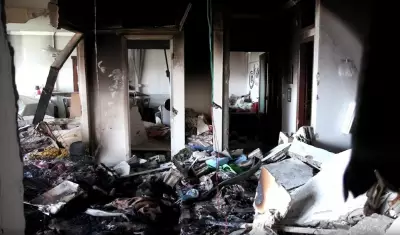
The ongoing war in the Middle East has now entered its second month, with the conflict spreading to Europe and escalating dramatically across the region. This expansion follows coordinated air strikes by the United States and Israel against Iran, which resulted in the death of Ayatollah Ali Khamenei and several senior Iranian leaders. The military action, officially designated as Operation Epic Fury, has generated profound shockwaves throughout multiple critical sectors, including international shipping, air travel, and global oil markets.
Operation Epic Fury Disrupts Global Trade and Energy Markets
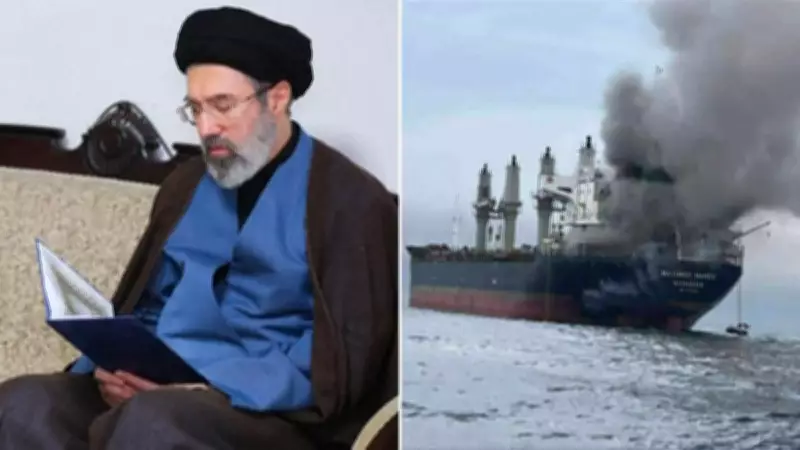
The strategic waterway of the Strait of Hormuz, a vital global trade hub, is experiencing significant disruption to business operations and shipping lanes. These disturbances have contributed to rising energy costs worldwide, as oil supply chains face unprecedented challenges. The economic repercussions are being felt across continents, highlighting the interconnected nature of modern global commerce and energy security.
Trump's Threats Against Iranian Infrastructure Raise Legal Concerns
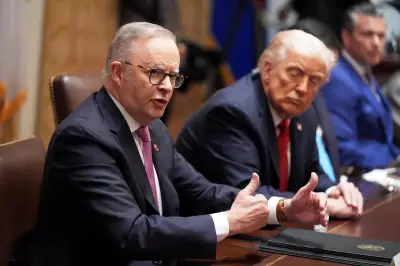
In a dramatic development, former US President Donald Trump has issued explicit threats against Iran's energy infrastructure, potentially constituting war crimes under international law. Trump utilized social media platforms to pressure Tehran into accepting a proposed deal that would both end the current hostilities and reopen the Strait of Hormuz to restore oil supply chains. While claiming "great progress has been made" in negotiations, Trump warned that failure to reach an agreement promptly would result in severe consequences.

"If the Hormuz Strait is not immediately 'Open for Business,' we will conclude our lovely 'stay' in Iran by blowing up and completely obliterating all of their Electric Generating Plants, Oil Wells and Kharg Island," Trump declared in his social media post. He further suggested that desalination plants might also be targeted, framing these potential actions as retribution for what he described as Iran's "47-year 'Reign of Terror'" and the deaths of American soldiers.
Legal Experts Question Legality of Trump's Proposed Actions
International legal scholars have raised serious concerns about the legality of Trump's threats under the laws of armed conflict. According to established international humanitarian law, attacks on civilian infrastructure such as energy plants are only permissible if the anticipated military advantage clearly outweighs the potential harm to civilians. This represents a high legal threshold to meet, and actions causing excessive suffering to civilian populations can be classified as war crimes.
Craig Jones, a senior lecturer at Newcastle University in the United Kingdom, analyzed Trump's statements for CNN, noting that the threats appear unlikely to satisfy legal requirements. "It looks like with Trump's threats, there isn't a distinct military advantage to them," Jones observed, adding that such declarations seem framed more as acts of retaliation than legitimate military strategy. "Retaliation, retribution is just off the table in terms of international law, it's not legal to do that," he emphasized, highlighting the fundamental legal principles governing armed conflict.
Ongoing Developments and Future Implications
The situation continues to evolve rapidly, with global markets and diplomatic channels monitoring developments closely. The expansion of the conflict into European territory represents a significant escalation that could have far-reaching geopolitical consequences. As the international community grapples with these developments, questions remain about potential diplomatic resolutions, the stability of global energy supplies, and the adherence to international legal standards in wartime conduct.