Regional Australia Loses Flight Routes Despite Rising Passenger Demand, ACCC Reports
Regional and remote communities across Australia are experiencing a significant decline in flight connections, even as passenger numbers continue to grow, according to new findings from the consumer watchdog. The Australian Competition and Consumer Commission (ACCC) has revealed that travel demand on remote routes has surged by 13.3 per cent since 2019, yet connectivity has deteriorated, with fewer routes now serving some of the nation's most isolated areas.
Seat capacity has increased by 10.8 per cent over the same period, but this growth has not led to improved access for regional communities. The number of remote routes collectively serviced by the Qantas Group, Rex, and Virgin Australia has fallen materially, from 52 routes in January 2019 to 38 routes in January 2026, the ACCC stated in its submission to a federal inquiry into regional airfares.
Impact on Communities and Competition
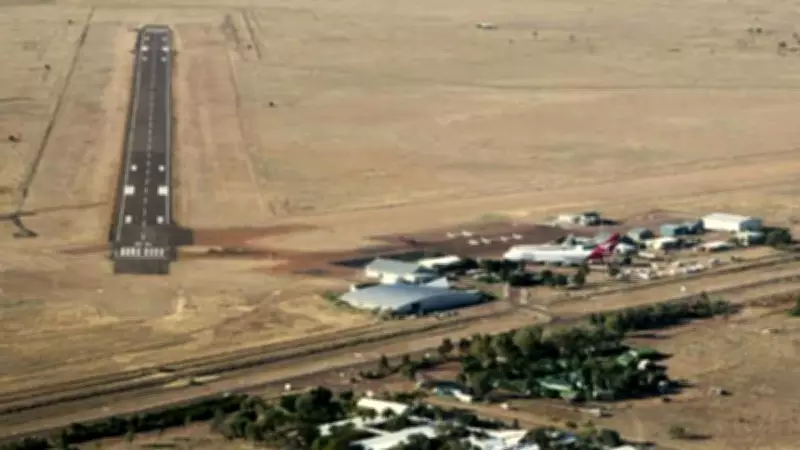
This reduction equates to 15 routes being cut, leaving some communities with fewer or no direct services. Virgin Australia and Rex operate across regional Australia, but ACCC findings indicate limited competition on many routes. Regional airports, such as Longreach, rely on limited services, as the watchdog's data shows shrinking connectivity across remote Australia.

Of the 15 remote routes exited by the airlines over the period, Qantas dropped 11 routes, while Virgin Australia dropped three routes and Rex dropped two routes. The most affected region was Queensland, with nine of the 15 dropped routes, the ACCC explained.
The findings point to a deeper issue in Australia's aviation market, where competition is limited and regional routes are often dominated by a single airline. The Qantas Group alone provides more than two-thirds of all domestic passenger services, and together with Virgin Australia, they control over 95 per cent of the market, according to the ACCC.
Consequences for Regional Areas
In regional and remote areas, about 60 per cent of regional routes and 70 per cent of remote routes are serviced by a single airline group. This lack of competitive pressure has likely contributed to persistently high airfares and limited available services for many communities, the ACCC said.
For Queensland, the impact is particularly acute. The loss of nearly two-thirds of dropped remote routes means fewer travel options for residents, businesses, and essential services, especially in areas where aviation is a lifeline rather than a convenience. Regional air travel plays a critical role in connecting communities to healthcare, education, and employment, as well as supporting tourism and local economies.
Challenges in Boosting Competition
The ACCC noted that attempts to boost competition, including new entrant Bonza and Rex's expansion, had only delivered short-term improvements. Both airlines faced structural and financial challenges that prevented sustained competition, underscoring the significant barriers to entry in thin regional markets, the submission said.
Bonza tried to boost competition on underserved regional routes but collapsed in 2024 after running out of funding, leaving passengers stranded and highlighting how difficult the market is for new entrants. The watchdog warned that improving access to reliable and affordable air services would require stronger policy settings, including support for competition and closer oversight of monopoly routes.
However, smaller markets are often unable to support multiple airlines without pushing up costs. While the presence of more than one airline on a route can enable competitive pressure that may help constrain airfares, splitting a small passenger base across multiple operators can further reduce flight occupancy rates and increase per-passenger costs, the ACCC said.
Current Airline Networks
According to ACCC analysis, as of January 2026, the Qantas Group operated the largest network, with 82 regional and 26 remote routes, while Virgin Australia ran 26 regional and 11 remote routes, and Rex operated 18 regional and 13 remote routes. This data underscores the ongoing challenges in maintaining connectivity for Australia's regional and remote areas amidst growing demand.