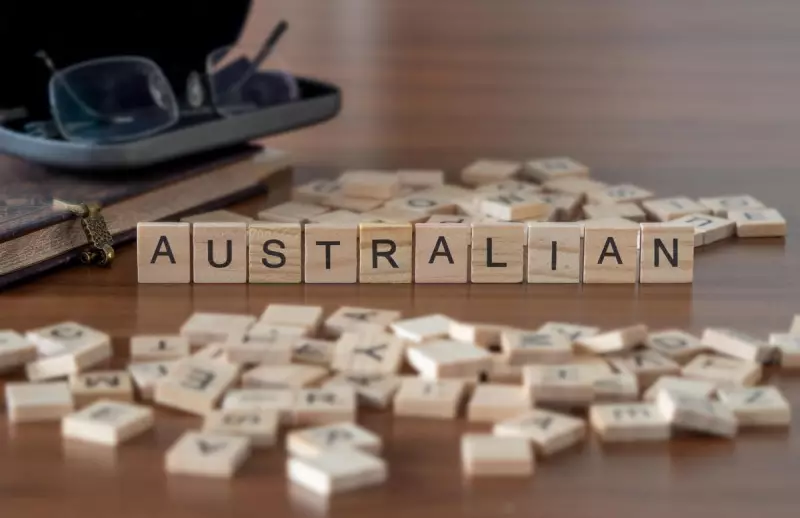
Australia's colourful and iconic slang, a cornerstone of our national identity, is facing a quiet extinction. Words and phrases that once defined the Aussie character are fading from everyday conversation, replaced by more generic, globally-influenced language.
The Slow Fade of Fair Dinkum Talk
Linguistic experts and cultural commentators are raising the alarm. They point out that classic terms like 'hard yakka' (meaning hard work), 'cactus' (meaning broken or useless), and 'drongo' (a fool) are being used less by younger generations. This shift isn't just about words changing, which language naturally does, but about a potential loss of a unique cultural lens and a shared sense of humour.
The concern is that without conscious effort to keep this linguistic heritage alive, it could become as rare as a rocking horse's tooth. The casual, often humorous and self-deprecating nature of Aussie slang has long been a way to build camaraderie and express a distinct worldview. Its decline is seen as a symptom of broader cultural homogenisation.

Why Is Our Lingo Going Bush?
Several factors are driving this linguistic shift. The overwhelming influence of globalised media and digital culture is a primary culprit. Younger Australians are constantly exposed to American and British English through streaming services, social media, and music, which dilutes local dialects.
Furthermore, there's a perception in some professional and formal settings that using broad Australian slang can sound uneducated or unsophisticated. This leads people to code-switch to a more 'standard' English, gradually letting the colloquial terms fall by the wayside. The informal contexts where slang once thrived are also changing, with digital communication often favouring brevity and global memes over local colour.
Giving Our Slang a Fair Go
So, what's the solution? Experts aren't suggesting we all start forcing 'strine' into every sentence unnaturally. Instead, they advocate for a greater appreciation and conscious preservation. This can happen through:
- Education: Incorporating the history and use of Australian slang into school curricula to help kids understand its value.
- Celebration in Media: Writers, filmmakers, and content creators consciously weaving authentic Aussie lingo into their work.
- Everyday Use: Older generations passing it on in conversation, and younger people feeling proud to use it without fear of being judged.
It's about recognising that these words are more than just colloquialisms; they are living pieces of Australian history and social connection. Losing them would mean losing a part of what makes communication here uniquely ours—a bit of humour, a sense of place, and an instantly recognisable bond.
The call to action is clear: if we want future generations to know what it means to be 'flat out like a lizard drinking' or to call someone a 'good bastard,' we need to put in a bit of 'hard yakka' to keep the tradition alive. Otherwise, our rich tapestry of slang might truly become 'cactus.'