Middle East Oil and Gas Shutdowns Trigger Global Energy Crisis
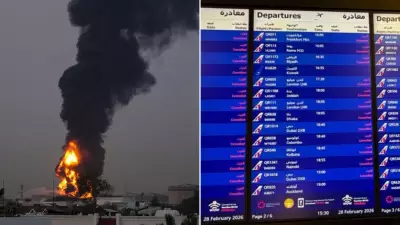
In a significant development, multiple shutdowns of oil and gas production facilities across the Middle East have plunged global energy markets into turmoil. These disruptions, which began earlier this week, are causing widespread supply shortages and driving prices to unprecedented highs.
Impact on Global Energy Markets
The shutdowns have led to a sharp reduction in output from key producers, including Saudi Arabia, the United Arab Emirates, and Qatar. This has resulted in a dramatic spike in crude oil and natural gas prices, with Brent crude surging by over 20% in just 24 hours. Analysts warn that the situation could worsen if the shutdowns persist, potentially leading to fuel shortages in many countries.
Global supply chains are already feeling the strain, with industries heavily reliant on energy, such as manufacturing and transportation, facing increased operational costs. Consumers are also bracing for higher prices at the pump and on utility bills, as the ripple effects spread across economies.

Causes and Regional Implications
While the exact causes of the shutdowns are still under investigation, initial reports suggest a combination of technical failures and geopolitical tensions may be to blame. The Middle East, which accounts for a substantial portion of the world's oil and gas supply, is now at the center of this crisis, with regional stability being closely monitored by international observers.
The shutdowns have highlighted the fragility of global energy infrastructure, raising concerns about long-term security and the need for diversified energy sources. Governments and energy companies are scrambling to assess the damage and implement contingency plans to mitigate the impact.
Future Outlook and Responses
In response to the crisis, several nations have announced emergency measures, including tapping into strategic petroleum reserves and increasing imports from alternative suppliers. However, experts caution that these steps may only provide temporary relief, as the scale of the shutdowns is significant.
- Energy analysts predict that prices could remain elevated for weeks or even months, depending on how quickly production can be restored.
- Environmental groups are calling for accelerated investment in renewable energy to reduce dependence on fossil fuels and prevent similar crises in the future.
- International organizations, such as the United Nations, are urging cooperation among nations to address the immediate challenges and work towards more resilient energy systems.
As the situation unfolds, stakeholders worldwide are closely watching developments in the Middle East, with hopes for a swift resolution to avert further economic disruption.