Middle East Conflict Escalates with US-Israel Air Strikes Against Iran
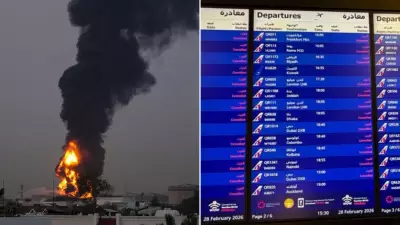
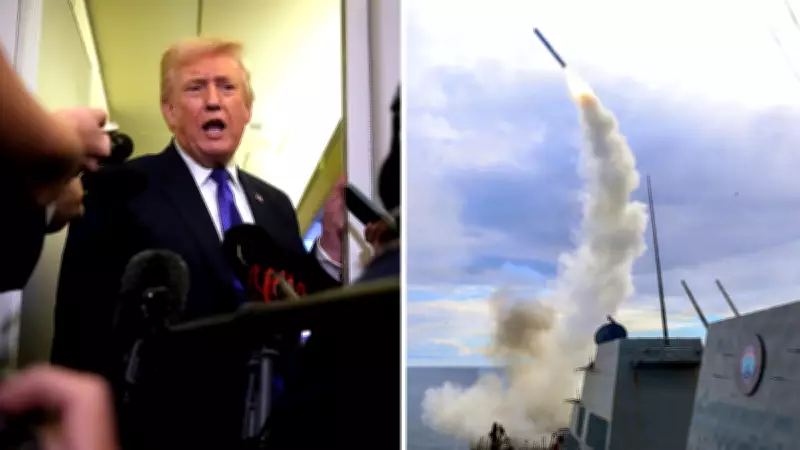
The conflict in the Middle East has rapidly expanded into Europe and is intensifying across the region following a series of devastating air strikes launched by the United States and Israel against Iran. These strikes, known as Operation Epic Fury, resulted in the deaths of Ayatollah Ali Khamenei and several senior Iranian leaders, sending shockwaves through global sectors including shipping, air travel, and oil markets.
Global Trade and Energy Markets in Turmoil
Warnings are mounting over rising energy costs and significant disruptions to business operations in strategic waterways, which serve as critical hubs for international trade. The situation has already impacted oil distribution worldwide, with three oil tankers attacked by Iran during the ongoing conflict. Iran has further threatened to shut the Strait of Hormuz, a vital channel that facilitates one-fifth of the world's exported oil and gas, exacerbating fears of a prolonged crisis.
Australian Fuel Reserves at Dangerously Low Levels
In Australia, fuel reserves are alarmingly low, even before the full effects of the Middle Eastern conflict are felt. The country currently holds only 35 to 36 days' worth of diesel, jet fuel, and petrol, which is well below the International Energy Agency's mandated minimum of 90 days for emergency situations. Experts warn that if the conflict continues, these reserves could run dry, leading to severe consequences.

Ian Dunlop, a former global oil industry executive with over three decades of experience, emphasized the gravity of the situation. "Is this a dangerous moment? Yes, a very dangerous moment because we don't know how this will escalate," he said. "Commercial supplies get slowed down, supplies to supermarkets get reduced, critical issues like hospital supplies and so on could be affected."
While Climate Change and Energy Minister Chris Bowen has stated that current stockpiles are the highest they have been in 15 years, concerns remain dire. One Nation's Barnaby Joyce has criticized the long-term decline in Australian refining capacity, highlighting the nation's heavy reliance on imported oil. "We're in real trouble," Joyce remarked. "We are completely unprepared for this."
Friendly Fire Incident in Kuwait
In a related development, three US fighter jets were shot down over Kuwait in a suspected friendly fire incident. US Central Command confirmed that the F-15E Strike Eagles were actively engaging Iranian aircraft, ballistic missiles, and drones when they were struck at 2pm AEST. It is believed that Kuwaiti air defenses mistakenly targeted the jets.
"Kuwait has acknowledged this incident and we are grateful for the efforts of the Kuwaiti defense forces and their support in this ongoing operation," Central Command stated. All six service members on board safely ejected and are currently in stable condition.
Economic Impacts and Rising Oil Prices
Oil prices are already climbing as the conflict chokes Middle Eastern supplies, with Brent crude now 13 percent above last week's low. This escalation poses significant risks to global economic stability, with potential ripple effects across various industries and daily life, from transportation to essential services.
As the situation continues to unfold, the international community is closely monitoring developments, with fears that further escalation could lead to broader regional and global instability.