Adelaide Writers' Week (AWW) has been plunged into a major crisis, with its director becoming the latest high-profile figure to resign in protest over the controversial cancellation of an Australian-Palestinian author from the festival's 2026 program.
Director's Resignation Over "Silencing" of Writer
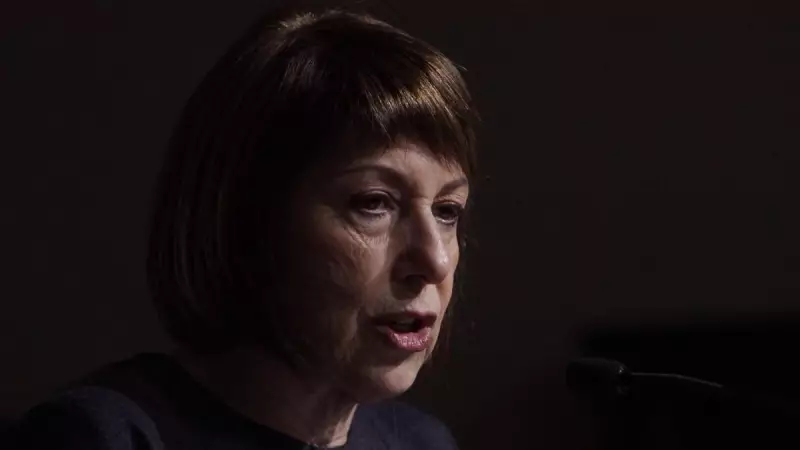
Director Louise Adler stepped down from her role, stating she "cannot be party to silencing writers." Her resignation came in direct opposition to the AWW board's decision to remove writer and academic Dr Randa Abdel-Fattah from the upcoming festival lineup.
In an opinion piece for The Guardian, Adler argued the move "weakens freedom of speech and is the harbinger of a less free nation," where political pressure dictates who is allowed a platform. She accused the board of being "unnerved by the pressure exerted by politicians calculating their electoral prospects" and coordinated lobbying campaigns.

Adler framed the controversy as a "canary in the coalmine" for a broader cultural shift, warning that pro-Israel lobbyists' "extreme and repressive efforts to stifle even the mildest criticism has had a chilling effect on free speech and democratic institutions." She claimed Abdel-Fattah's cancellation resulted from "pressure from pro-Israel lobbyists, bureaucrats and opportunistic politicians."
Board Fractures and Mass Author Withdrawals
The crisis escalated rapidly over the weekend, triggering a board exodus. Adelaide Festival chair Tracey Whiting resigned, followed by directors Daniela Ritorto, Donny Walford, and Nicholas Linke OAM. This leaves only three directors and a government observer in place.
The board's initial decision cited cultural sensitivity following the Bondi mass shooting as the reason for Abdel-Fattah's removal. The fallout has been severe. Of the 124 writers and guests originally scheduled for the 2026 event, approximately 100 have now withdrawn in solidarity.
The list of high-profile withdrawals includes:
- Former New Zealand Prime Minister Jacinda Ardern
- ABC journalists Sarah Ferguson and Louise Milligan
- Miles Franklin Award winners Michelle de Kretser and Melissa Lucashenko
- Bestselling author Trent Dalton
- Former Greek finance minister Yanis Varoufakis
Author Jane Caro called the decision "an attack on the very things that make writers festivals amazing," while Abdel-Fattah herself lamented Adler's forced resignation, blaming a "cowardly, feckless board."
Accusations of Racism and Political Interference
Randa Abdel-Fattah has strongly condemned the board's action, labelling it a "blatant and shameless act of anti-Palestinian racism and censorship." She argued the board reduced her to an object for projecting "racist fears and smears," suggesting her mere presence as a Palestinian was deemed threatening.
Abdel-Fattah, who regularly posts content about Gaza, has faced previous criticism for a 2024 social media post stating Zionists had "no claim or right to cultural safety." The board and Premier have referenced her anti-Zionist views in justifying the decision.
South Australian Premier Peter Malinauskas has defended the board, stating he offered his views and that Abdel-Fattah had crossed "a line" by advocating against the cultural safety of others. This stance marks a shift from his 2023 speech defending artistic freedom, a speech Adler referenced in her resignation.
The premier previously warned that if politicians decide cultural appropriateness, it leads "into the territory of Putin's Russia." Adler noted the irony of his current support for the board's decision.
The 2026 program has been removed from the festival website as organisers grapple with the escalating situation. Adelaide Writers' Week, which attracted a record 160,000 attendees in 2025, is scheduled to run from February 28 to March 5, 2026, as part of the Adelaide Festival.