Wheelchair users contribute to society in many valuable ways but often face challenges with activities others find routine – like air travel. A simple flight can become a complex nightmare for wheelchair users who must navigate systems never designed with disability in mind, groundbreaking research shows.
Research on accessibility in commercial air travel
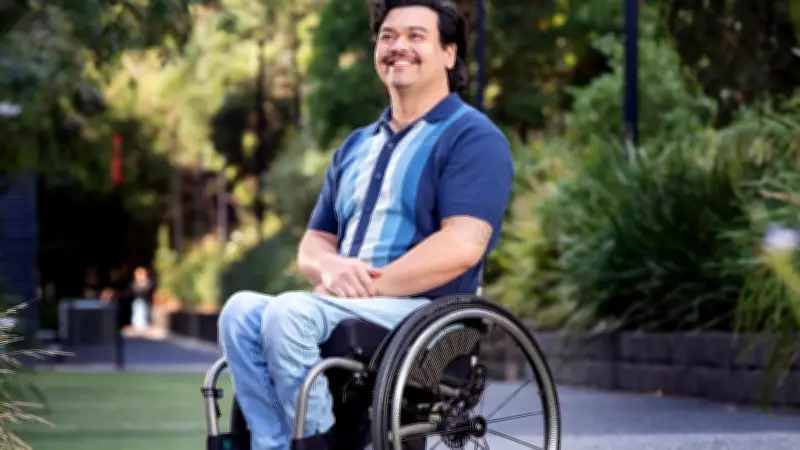
Mark Hanson, a wheelchair user and PhD candidate at Swinburne's MedTechVic, found many others shared negative experiences with air travel. As an occupational therapist, he analysed these situations and is exploring similar challenges faced by others who use wheelchairs. Mr Hanson is now conducting research on accessibility in commercial air travel focusing on the experiences of wheelchair users while also reflecting more broadly on issues of accessibility generally for people with a disability. He intends to spend the next few years working with airlines to make flying not only a safer experience, but a more enjoyable one for wheelchair users.
Prevalence of wheelchair users globally
Approximately 15 per cent of the world's population – an estimated 1 billion people – live with disabilities, making this group the world's largest minority, according to the World Health Organisation (WHO). The WHO estimates that 80 million people, or one per cent of the world's population, require the use of a wheelchair for mobility. The ABS reported that in 2022, 18.4 per cent of Australians used some type of mobility aid, such as a walking stick, walking frame or wheelchair. It is clear that the prevalence of people who require wheelchairs for mobility will continue to grow through population growth, medical advances, and ageing populations around the world. This is why the stress of air travel for wheelchair users is such an important issue.

Exhausting and stressful experience
For wheelchair users, air travel can be an exhausting and stressful experience long before the plane leaves the ground. Each stage of the journey, from booking and check-in to boarding, transferring seats and collecting mobility equipment, often involves multiple procedures and systems that were not designed with wheelchair users front of mind. Research, along with the lived experience of travellers like Mr Hanson, shows that these processes can create significant barriers that affect both wellbeing and confidence in travelling. Wheelchair users are frequently required to navigate additional steps that other passengers do not face, such as arranging special assistance, transferring out of their chairs, and managing concerns about potential damage to essential mobility equipment. These extra procedures can make what should be a straightforward journey far more stressful and time-consuming.
There is also a considerable mental load. Travellers must often develop specialised knowledge about airline policies, airport processes and accessibility limitations in order to plan a trip safely. Inaccessible environments and inconsistent practices between airlines and airports can add further uncertainty. This project aims to identify practical ways to make air travel more accessible, consistent and respectful for people who rely on wheelchairs.
Wheelchairs lost or damaged during air travel
One of the key issues for wheelchair users when it comes to air travel is wheelchairs being lost or damaged during the journey. In 2024, the US Department of Transport recorded approximately 11,500 wheelchairs and scooters that were mishandled by air carriers. Within Australia, data on the mishandling of wheelchairs and mobility equipment does not exist. However, negative air travel experiences for wheelchair users has been mentioned in news, social media and even workshops during the Disability Royal Commission.

Wheelchair users depend on customised seating to enable independence; the damage or loss of wheelchairs through air travel can affect not only their journey, but also their health and wellbeing. Often wheelchair parts are not mainstream and are imported, so this can add time, cost and stress. The situation is compounded when a wheelchair user is away from home – and suddenly no longer has a wheelchair. Loss or significant damage to wheelchairs not only affects the trip, but also the ongoing wellbeing of wheelchair users. Without a wheelchair one might not be able to complete basic needs such as needing to prepare a meal or go to the toilet.
Goal: accessible, safe and enjoyable flying for all
Mr Hanson's research is driven by the simple but powerful idea that flying can and should be accessible, safe and enjoyable for all travellers, including wheelchair users. This project aims to turn challenges into practical solutions and show that with the right partnerships and a shared commitment to inclusion, the future of air travel can be more welcoming and more equitable.
In Mark's words
In many ways it is a wicked problem, one that has no single, easy fix. A number of wheelchair users have reported frequent negative experiences throughout the entire air travel process. One of the main concerns is whether one's wheelchair will arrive and be in usable condition. Wheelchair users face both physical and social difficulties when they need understanding and support for their assistance needs. This can lead to moments of humiliation, the risk of injury, or the decision to simply avoid air travel altogether. For many people, the stress and unpredictability of the journey can outweigh the excitement of the destination.
I feel privileged to be able to advocate for my needs as a wheelchair user and to have the physical capacity to adapt to many situations. Not everyone has that opportunity. That awareness is one of the reasons this work matters so much to me. Addressing the many significant challenges that persist for wheelchair users during air travel must start somewhere. It is my intention that this project represents a meaningful step forward. I hope it encourages others to also look for ways they can collaborate and contribute to improving the experience.
The goal is to make air travel more accessible and to raise disability awareness for greater equity in everyday life. Ultimately, I want people with disability to have their voices heard, airlines to listen and share solutions, and professionals across sectors – including allied health – to help improve accessibility in air travel, particularly for wheelchair users.