Australia Unlikely to See Copycat Cases After US Social Media Ruling
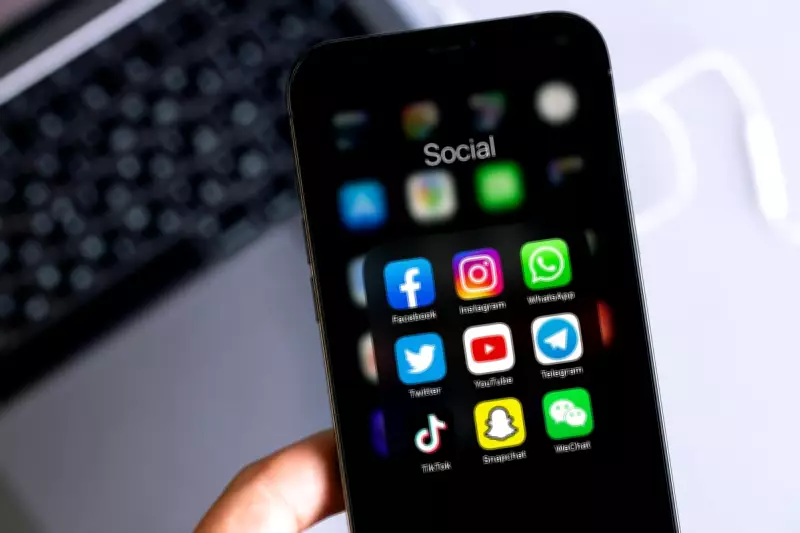
Australia is unlikely to witness copycat legal cases following a recent United States ruling against Meta and Google, which found the platforms were designed to be addictive and harmful to children. This assessment comes from experts who point to Australia's world-first social media ban for individuals under 16 years of age, implemented in December last year.
US Case Details and Australian Context
In a landmark decision, a Los Angeles jury found both Meta and Google liable for a now-20-year-old woman's childhood social media addiction, which began when she joined the apps at age six. The woman, identified as Kaley, was awarded $6 million in damages after the jury determined the companies "acted with malice, oppression, or fraud."
Dr. Rob Nicholls, a tech policy expert at Sydney University, highlighted an irony in the situation. "There is an irony here, which is that because we've now got a social media ban for under 16s, the people who are likely to be most adversely affected by the ban are less likely to actually have any damage," he explained. "It's less likely that there would be a case against Meta or Google because people who are most susceptible are theoretically no longer accessing that addictive product."

Potential for Legal Actions and Government Response
Despite the reduced likelihood of copycat cases in Australia, Dr. Nicholls described the US ruling as landmark and suggested it could inspire similar lawsuits in other US states, signaling a shift in how courts view social media platform design. He noted that if a case were to arise in Australia, it would likely take the form of a class action, potentially attracting litigation funders due to the evidence presented in the California trial.
This development coincides with the Australian Federal Government preparing to defend against High Court challenges related to the social media ban. Reddit and two teenage plaintiffs from Sydney, associated with the advocacy group Digital Freedom Project, are set to challenge the policy on Friday.
In anticipation of this legal test, the government made last-minute updates to the ban's definitions of "age-restricted social media platforms" on Wednesday. Communications Minister Anika Wells quietly published the revised rules, stating they aim to provide Australian families with greater clarity. She specifically targeted features such as algorithms that recommend content, endless feeds, feedback mechanisms, and time-limited functions.
"Targeted algorithms, doomscrolling, persistent notifications and toxic popularity metres are stealing their attention for hours every day," Ms. Wells said in a statement. "We're shining a light on these harmful and addictive features being used to target young Australians."
Political Criticism and Ongoing Debates
Shadow Communications Minister Sarah Henderson acknowledged the US ruling but criticized the government's approach, accusing it of being "missing in action" on protecting children from dangerous algorithms. "This is a damning decision on Meta. This demonstrates that the whole design of its platform is to keep children addicted," she asserted.
Senator Henderson also questioned the effectiveness of the social media ban, claiming it "was not delivering as promised" after more than 100 days. She cited high circumvention rates and dismissed government claims that 4.7 million social media accounts had been deactivated, restricted, or closed as "dubious" and insufficient.
As the debate continues, experts and policymakers are closely monitoring the implications of the US case and Australia's unique regulatory landscape, which may shape future legal and policy actions regarding social media and child safety online.