Local Fury Erupts Over Proposed AI Data Centre Adjacent to School in Western Australia
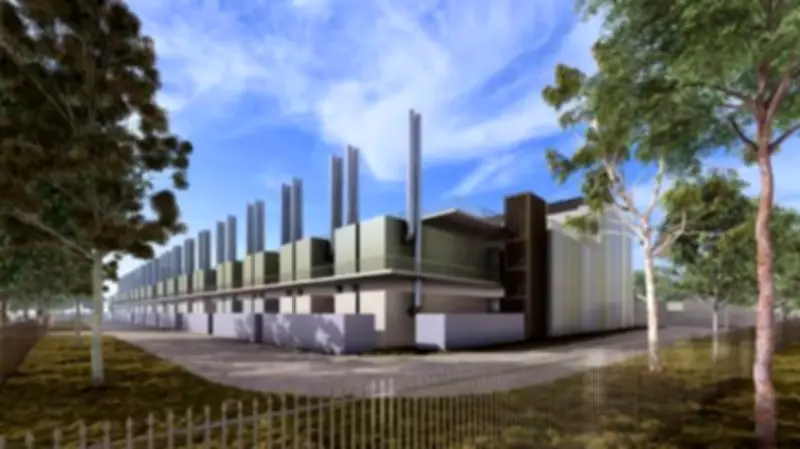
A controversial proposal to build an artificial intelligence data centre next to a school in Western Australia has sparked significant local outrage, with residents expressing deep concerns over safety, noise, and environmental impacts. The plan, described by some opponents as "diabolical," has ignited a heated community debate, pitting fears about potential risks against arguments from experts who highlight the project's potential economic boon for the region.
Community Concerns and Opposition Mount
Local residents have voiced strong opposition to the AI data centre, citing its proximity to the school as a primary issue. Concerns include increased traffic congestion, noise pollution from cooling systems and generators, and potential electromagnetic interference that could affect children's health and learning environments. Many parents and community members argue that placing such an industrial facility near an educational institution is irresponsible and could compromise student safety and well-being.
Environmental and health worries are also at the forefront, with critics pointing to the data centre's energy consumption and heat emissions, which might contribute to local warming and strain on power grids. Some have raised alarms about water usage for cooling purposes, particularly in a region already facing water scarcity challenges.

Expert Arguments for Economic Benefits
Despite the local fury, experts and proponents of the project contend that the AI data centre could serve as a significant economic driver for Western Australia. They argue that it would create jobs, attract tech investment, and position the state as a hub for innovation in artificial intelligence and data processing. Supporters emphasize the potential for long-term growth in the technology sector, which could diversify the local economy and provide opportunities for skilled employment.
Proponents also note that modern data centres are designed with advanced safety and environmental controls, including energy-efficient systems and noise reduction technologies, which could mitigate some community concerns. They suggest that with proper planning and community engagement, the project could balance economic gains with local interests.
Ongoing Debate and Future Implications
The fight against the proposal highlights broader tensions between technological advancement and community welfare in urban planning. As Western Australia grapples with this issue, the outcome could set a precedent for similar developments across the country. Key stakeholders, including local government officials, school administrators, and tech industry representatives, are expected to continue discussions to address the conflicting perspectives.
- Local residents demand greater transparency and public consultation in the planning process.
- Experts call for a balanced approach that considers both economic opportunities and community safeguards.
- The debate underscores the need for clear regulations on data centre placements near sensitive areas like schools.
Ultimately, the resolution of this dispute will likely influence future infrastructure projects in Western Australia, shaping how communities and industries coexist in an increasingly digital world.