East Fremantle Football Club Reveals Fencing Proposal for Community Park to Host WAFL Matches
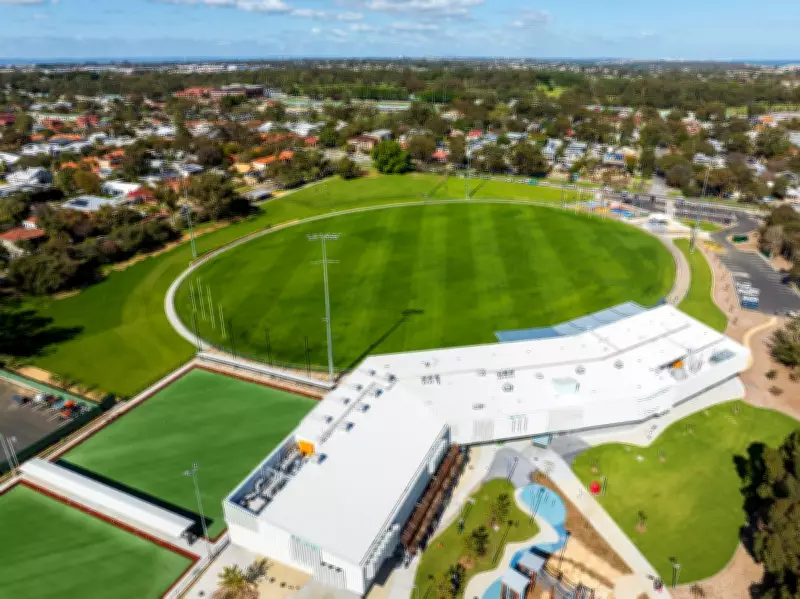
The East Fremantle Football Club has disclosed detailed plans to erect a permanent fence around East Fremantle Community Park, aiming to comply with WAFL regulations and enable the hosting of WAFL and WAFLW games. This move comes despite the park's initial development as an open-access area, approved by the local council without fencing.
Background and Current Situation
For the past two seasons, the Sharks have played at the oval without a fence, but the situation changed last month when WA Football mandated temporary fencing during WAFL and WAFLW matches. This requirement has thrown the current season into disarray, prompting the club to propose a permanent solution.
The club suggests installing a picket-style fence to create controlled entry and exit points, which they believe will satisfy WAFL needs while preserving the park's open character. The proposed fencing includes four sections, each at least 1.1 meters high, spanning from 110 to 140 meters along Allen Street, Marmion Street, the northwest boundary, and Moss Street.

Financial and Logistical Details
The estimated cost for this project is $316,533. Funding will be requested from the State Government through the Town of East Fremantle. The town council unanimously voted on March 17 to release the proposal for public comment, initiating a consultation process that could delay other municipal projects and require external assistance.
Town CEO Jonathan Throssell emphasized that the council is only proceeding to public consultation at this stage, with a final decision on the fence to be made later. He highlighted that the community park was originally delivered and communicated as an open-access precinct, and if public feedback is strongly opposed, the council will need to weigh its response and potential consequences.
Risks and Stakeholder Perspectives
A report presented at the council meeting warned that not hosting games at East Fremantle Community Park poses financial risks to both the club and the park, with possible flow-on effects for the town. Mr. Throssell stated that the town opposes introducing entry fees for games and paying for the fence, insisting that any agreement should require funding from another party, not the town.
Councillor Jenny Harrington expressed concerns that this could lead to a significant stalemate, but Mayor Tony Natale assured that the town is collaborating with all stakeholders to find a solution. He noted that the primary project was supported based on public input regarding the fence.
WA Football's Position
WA Football has informed the town that fencing is necessary to manage crowds, including searching spectators and identifying individuals who engage in offensive conduct against others, players, or match officials. In a letter to the town, WA Football Board chairman Ian Callahan explained that WAF was not included when leasing arrangements for the park were established.
Mr. Callahan wrote that while WAF supports increased activation and broad attendance at WAFL/WAFLW matches, it must balance this with ensuring the integrity of competition rules and mitigating risks to attendees. He expressed willingness to work with the town, club, and other stakeholders on a resolution.
Public Consultation and Next Steps
The proposal is now open for public comment, with the community's feedback playing a crucial role in the final decision. The town council will review the responses and determine whether to proceed with the fencing plan, considering both the club's needs and the park's original open-access design.