Canberra's Desperate Call for Federal Intervention to Save Stadium
The Canberra community has issued a direct and urgent appeal to Prime Minister Anthony Albanese, urging immediate federal intervention to rescue the deteriorating Canberra Stadium. The aging venue, which has suffered from years of neglect, now faces critical structural and safety issues that demand swift action.
A Stadium in Crisis: Leaks, Damage, and Safety Concerns
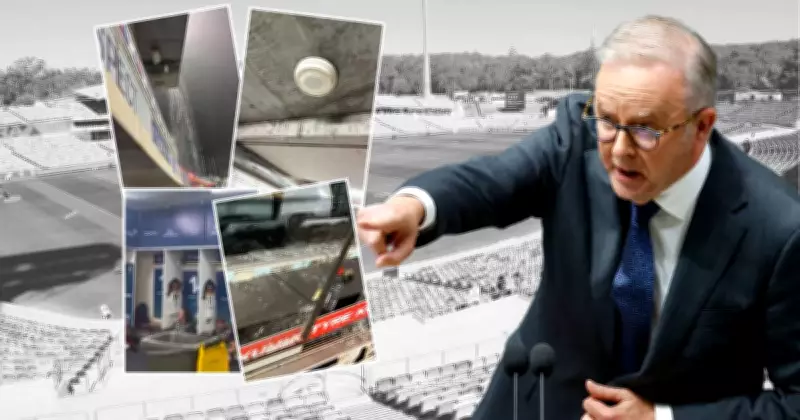
Reports from the stadium paint a grim picture of its current condition. Water is leaking through concrete structures, requiring wheelie bins to catch rainwater in some areas. The facility is described as literally falling apart, with shattered glass and other hazards posing risks to athletes, coaches, and spectators alike. The stench of decay permeates the venue, highlighting its dire state.
For over a decade, the Coalition government largely ignored pleas for stadium upgrades, while local ACT counterparts have been stuck in what critics call "analysis paralysis"—two decades of discussions without tangible progress. This inaction has left the stadium operating well beyond its intended lifespan, with studies indicating it has reached its use-by date.

Prime Minister's Personal Connection to Canberra
The appeal directly references Prime Minister Albanese's personal ties to the capital, noting he has called Canberra his "home away from home." It reminds him of his promise to foster a "modern, vibrant, and strong" city—a vision starkly contradicted by the stadium's current state. The community argues there is nothing modern about a venue where safety is compromised and infrastructure is failing.
The call to action is clear: step in now, guarantee federal funding, and set a deadline for ACT Chief Minister Andrew Barr to deliver a shovel-ready renovation project by next year. This timeline aligns with expert assessments that urgent repairs are overdue.
Proposal for a National Stadium
Beyond mere repairs, the community envisions transforming Canberra Stadium into a premier national venue. Suggestions include officially declaring it the "national stadium," a title that would reflect its potential to host top-tier athletic events and serve as a point of pride for all Australians. As the landlord of this federally owned athletics oval, the government is urged to treat the stadium with the same urgency it would any other tenant in disrepair.
The emotional plea concludes with a direct challenge: "Albo, it's time to fix your house." It emphasizes that building a stadium worthy of the capital is essential to showcasing Canberra to the world, rather than hiding a source of embarrassment. The community's message is unwavering—without immediate intervention, this critical piece of infrastructure will continue to deteriorate, undermining both local morale and national sporting prestige.