Wollongong Council's Cat Curfew Proposal Ignites Heated Community Debate
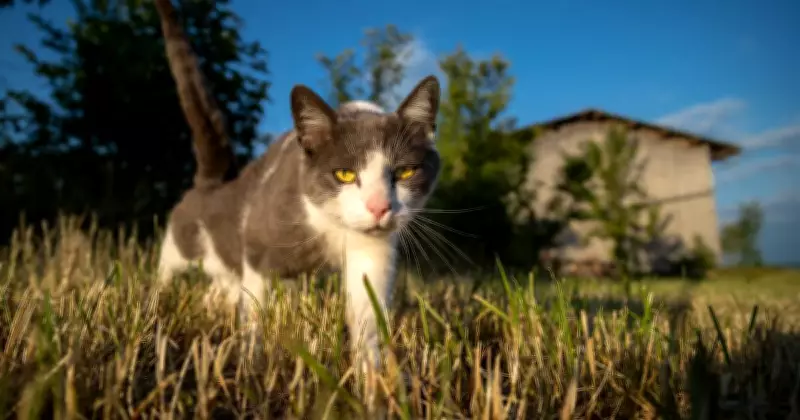
A contentious proposal to introduce a cat curfew in Wollongong has sparked intense debate among residents, igniting tensions over wildlife protection, pet welfare, and local governance. The Wollongong City Council is considering measures that would restrict cats from roaming freely outdoors during certain hours, a move aimed at reducing the impact on native wildlife. This discussion has divided the community, with strong opinions on both sides of the issue.
Arguments in Favor of the Cat Curfew
Supporters of the curfew argue that it is essential for protecting local wildlife. Cats are known predators that can significantly harm bird populations and other small animals. Proponents claim that restricting outdoor access for cats, particularly at night, could help preserve biodiversity in the area. They point to studies showing that domestic cats contribute to the decline of native species, making this a critical environmental concern.
Environmental advocates emphasize that the curfew aligns with broader conservation efforts. They believe that such measures are necessary to maintain ecological balance and prevent further loss of wildlife. Additionally, some residents support the curfew as a way to reduce noise and nuisance from roaming cats in their neighborhoods.

Opposition and Concerns Raised
Opponents of the cat curfew raise several concerns, primarily focused on pet welfare and practical enforcement. Many cat owners argue that restricting their pets' outdoor access could negatively impact the animals' mental and physical health. Cats are naturally curious and active creatures, and confinement might lead to stress or behavioral issues.
Critics also question the feasibility of enforcing such a curfew. They worry about the logistical challenges and costs involved in monitoring compliance, as well as the potential for increased council resources being diverted to this issue. Some residents express skepticism about whether the curfew would effectively protect wildlife, suggesting alternative solutions like better pet management education.
Council's Role and Community Impact
The Wollongong City Council is at the center of this debate, tasked with balancing environmental goals with community needs. Council members are reviewing feedback from public consultations and considering various options before making a decision. This process has highlighted the broader tensions between urban development and natural conservation in the region.
The debate reflects larger societal discussions about responsible pet ownership and environmental stewardship. As the council deliberates, residents continue to voice their opinions through meetings and online platforms, underscoring the passionate divide on this issue. The outcome could set a precedent for other councils facing similar dilemmas.
Potential Outcomes and Future Steps
If implemented, the cat curfew would require cat owners to keep their pets indoors or in enclosed areas during specified times, likely overnight. This could involve fines or other penalties for non-compliance. The council is also exploring complementary measures, such as promoting microchipping and desexing programs to manage the cat population more effectively.
Regardless of the decision, this debate has already fostered greater community engagement on environmental issues. It serves as a reminder of the complex interplay between human activities and wildlife preservation in urban settings. The Wollongong Council's final ruling will be closely watched by both supporters and opponents, with implications for future policy discussions.